Swamp Lousewort: A Wetland Wildflower Worth Knowing
Meet swamp lousewort (Pedicularis lanceolata), a charming native wildflower that’s perfectly at home in soggy soils where many other plants fear to tread. While its common name might not win any beauty contests, this delightful perennial brings a unique charm to wetland gardens and naturalized landscapes across much of North America.
What Makes Swamp Lousewort Special?
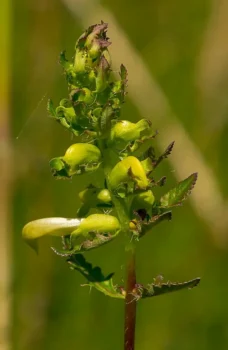
This native North American perennial belongs to a fascinating group of plants that have adapted to life in wet places. Swamp lousewort produces clusters of small, bright yellow tubular flowers that bloom from late spring into early summer, creating cheerful splashes of color in otherwise muted wetland environments. The lance-shaped leaves with their distinctive serrated edges add textural interest even when the plant isn’t flowering.
Where You’ll Find It Growing Wild
Swamp lousewort is native to both Canada and the lower 48 states, with a distribution that spans from Manitoba and Ontario in the north, down through the eastern United States to Georgia, and west across the Great Plains. You can find it growing naturally in states including Arkansas, Connecticut, Delaware, Georgia, Illinois, Indiana, Iowa, Kentucky, Maryland, Massachusetts, Michigan, Minnesota, Missouri, Nebraska, New Jersey, New York, North Carolina, North Dakota, Ohio, Pennsylvania, South Dakota, Tennessee, Virginia, West Virginia, and Wisconsin.
- Species observed
- No observations
Important Conservation Considerations
Before you rush out to find swamp lousewort for your garden, there’s something important to know: this plant is considered rare in some areas. In Arkansas, it has a rarity status of S1 (critically imperiled), and in New Jersey, it’s listed as S3 (vulnerable) in the Highlands region. If you’re interested in growing this species, please ensure you source it responsibly from reputable native plant nurseries rather than collecting from wild populations.
Is Swamp Lousewort Right for Your Garden?
This isn’t your typical garden center perennial, and that’s exactly what makes it special. Swamp lousewort thrives in conditions that would spell doom for most conventional garden plants. Here’s what you need to know:
- Wetland lover: This plant is classified as obligate wetland in the Midwest and Great Plains regions, meaning it almost always occurs in wetlands
- Moisture requirements: Prefers consistently moist to wet soils
- USDA Hardiness Zones: Suitable for zones 3-8
- Growth habit: A non-woody perennial forb that dies back to ground level each winter
Perfect Garden Settings
Swamp lousewort shines in specialized garden environments:
- Rain gardens and bioswales
- Bog or wetland gardens
- Native plant collections
- Naturalized pond edges
- Low-lying areas that stay consistently moist
Growing Tips for Success
Successfully growing swamp lousewort requires understanding its unique needs:
- Soil moisture: Keep soil consistently moist to wet—never let it dry out completely
- Light conditions: Tolerates partial shade to full sun, though some afternoon shade can be beneficial in hotter climates
- Soil type: Prefers acidic to neutral soils with good organic content
- Establishment: Can be challenging to establish; be patient as it may take time to settle in
Wildlife and Pollinator Benefits
The bright yellow flowers of swamp lousewort attract various small pollinators, including native bees. The specialized tubular shape of the flowers means they’re particularly well-suited to certain pollinator species, making this plant a valuable addition to native pollinator gardens in appropriate settings.
The Bottom Line
Swamp lousewort isn’t for everyone, but if you have a wet spot in your garden where other plants struggle, this native beauty could be just what you’re looking for. Its cheerful yellow flowers and unique ecological niche make it a conversation starter and a valuable addition to native plant collections. Just remember to source it responsibly and be prepared to meet its moisture needs consistently.
While it may require more specialized growing conditions than your average perennial, swamp lousewort rewards dedicated gardeners with its distinctive beauty and important ecological role. It’s a perfect choice for those looking to create authentic native wetland habitats or add something truly unique to their native plant palette.