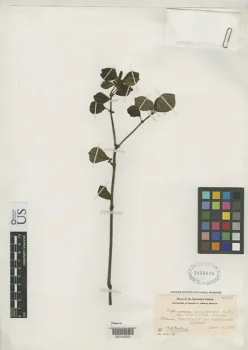
Swamp Peperomia: A Rare Hawaiian Native Worth Protecting
Meet the swamp peperomia (Peperomia expallescens), a charming little Hawaiian native that’s as elusive as it is endearing. This perennial forb might not be the showiest plant in your garden, but it carries the special distinction of being found nowhere else on Earth except the Hawaiian Islands.
What Makes Swamp Peperomia Special?
Swamp peperomia belongs to the diverse Peperomia family, known for their thick, succulent-like leaves and easy-going nature. However, this particular species is far from common. With a vulnerable conservation status (S3), this little Hawaiian endemic is considered at risk throughout its limited range.
As a native forb, swamp peperomia is an herbaceous plant without woody stems—think of it as the gentle, understated cousin of more dramatic tropical plants. It’s a true perennial, meaning it’ll stick around year after year if given the right conditions.
Where Does It Call Home?
This special plant is exclusively found in Hawaii, making it a true island endemic. Its natural habitat reflects its common name—it thrives in the moist, shaded areas of Hawaiian forests where humidity is high and the canopy provides protection from intense sunlight.
- Species observed
- No observations
Should You Grow Swamp Peperomia?
Here’s where things get interesting. While swamp peperomia would make a lovely addition to any Hawaiian native plant garden, its vulnerable status means we need to be extra thoughtful about how we approach growing it.
The Good News:
- It’s a true Hawaiian native, supporting local ecosystems
- Perfect for shaded native gardens
- Low-maintenance once established
- Adds authentic Hawaiian character to landscapes
The Important Considerations:
- Limited availability due to conservation status
- Should only be obtained from reputable, responsible sources
- Best suited for experienced native plant gardeners
- Requires specific Hawaiian growing conditions
Growing Conditions and Care
Swamp peperomia has earned its wetland designation as facultative upland, meaning it usually prefers non-wetland conditions but can tolerate some moisture. Think of it as preferring the middle ground—not bone dry, but not swampy either, despite its common name!
This plant thrives in:
- Partial to full shade
- Well-draining but consistently moist soil
- Tropical conditions (USDA zones 10-12)
- High humidity environments typical of Hawaiian forests
A Word About Responsible Growing
Given its vulnerable conservation status, anyone interested in growing swamp peperomia should prioritize conservation. This means:
- Only purchasing from licensed nurseries specializing in Hawaiian natives
- Never collecting from wild populations
- Supporting conservation efforts when possible
- Considering this plant only if you’re committed to providing proper care
The Bottom Line
Swamp peperomia represents something precious—a piece of Hawaii’s unique botanical heritage that deserves our respect and protection. While it may not be the easiest plant to find or grow, for dedicated native plant enthusiasts in Hawaii, it offers the opportunity to connect with and help preserve the islands’ irreplaceable natural legacy.
If you’re drawn to this rare beauty, approach it with the reverence it deserves. Source responsibly, grow thoughtfully, and remember that you’re not just adding a plant to your garden—you’re becoming a steward of Hawaiian biodiversity.