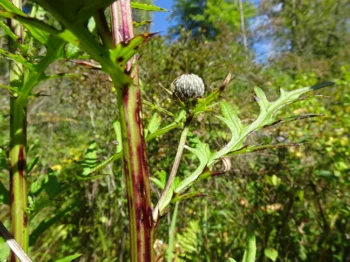
Swamp Thistle: A Native Beauty for Wet Gardens
Meet swamp thistle (Cirsium muticum), a tall and stately native wildflower that’s perfectly suited for those soggy spots in your garden where other plants fear to tread. Don’t let the word thistle scare you away – this gentle giant is far more friend than foe, offering spectacular purple-pink blooms and invaluable wildlife benefits.
What Makes Swamp Thistle Special
As a biennial forb, swamp thistle follows a two-year life cycle that’s worth the wait. In its first year, it develops a rosette of leaves close to the ground. The real show begins in year two when it sends up impressive flower spikes that can reach 3 to 8 feet tall, topped with clusters of vibrant purple-pink thistle flowers from mid to late summer.
This native beauty is truly all-American, naturally occurring across an impressive range from Canada down to the Gulf states. You’ll find wild populations thriving in states including Maine, Florida, Texas, Minnesota, and everywhere in between – plus several Canadian provinces from coast to coast.
- Species observed
- No observations
Why Your Garden (and Local Wildlife) Will Love It
Swamp thistle is a pollinator magnet that attracts butterflies, native bees, and other beneficial insects with its nectar-rich flowers. The tall, architectural form adds dramatic vertical interest to naturalistic plantings, making it an excellent choice for the back of borders or as a specimen plant in wet areas.
This plant truly shines in:
- Rain gardens and bioswales
- Pond and stream edges
- Native plant gardens
- Wet meadows and prairie restorations
- Wildlife habitat gardens
Perfect Growing Conditions
True to its name, swamp thistle loves consistently moist to wet conditions. It’s classified as an obligate wetland plant in most regions, meaning it almost always occurs in wetlands naturally. This makes it perfect for those challenging wet spots where many garden plants would struggle or rot.
For best results, provide:
- Full sun to partial shade
- Consistently moist to wet, well-draining soil
- Tolerance for seasonal flooding
- USDA hardiness zones 3-9
Growing and Care Tips
Swamp thistle is surprisingly easy to grow once you understand its needs. The best way to establish it is through direct seeding in fall, as the seeds require a period of cold stratification over winter to germinate properly in spring.
Once established, this low-maintenance native requires minimal care. It will readily self-seed, so you may want to cut back spent flowers if you don’t want it spreading throughout your garden. However, leaving some seed heads provides food for birds and ensures future generations of plants.
A Word About Conservation
While swamp thistle has a wide natural range, it’s considered rare in some areas, particularly Arkansas where it has an S1 rarity status. If you’re interested in growing this beautiful native, make sure to source seeds or plants from reputable native plant nurseries that collect responsibly and don’t impact wild populations.
Is Swamp Thistle Right for Your Garden?
If you have a wet area that needs a tall, dramatic native plant with fantastic wildlife value, swamp thistle could be your perfect match. It’s especially valuable for gardeners interested in supporting pollinators and creating habitat for native wildlife. Just remember that this is a plant that truly needs consistent moisture – it won’t thrive in dry conditions.
Consider swamp thistle if you’re looking to create a naturalistic landscape that works with your site’s wet conditions rather than fighting against them. Your local butterflies and bees will thank you for it!