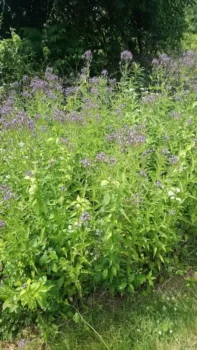
Swamp Verbena: The Prairie Powerhouse Your Garden Needs
If you’re looking for a native plant that’s both beautiful and beneficial, let me introduce you to swamp verbena (Verbena hastata). This underrated gem might just become your new favorite garden companion, especially if you have a spot that stays a bit on the moist side.
What Makes Swamp Verbena Special?
Swamp verbena is a native North American perennial that knows how to make a statement. Standing tall with spikes of tiny purple-blue flowers, this plant brings a wild, prairie-like charm to any landscape. Don’t let the name fool you – while it loves moist conditions, you don’t need an actual swamp to grow it successfully!
As a forb (that’s just a fancy way of saying it’s a non-woody flowering plant), swamp verbena can live for several years, though it sometimes behaves as a biennial. Either way, it’s likely to stick around in your garden thanks to its excellent self-seeding habits.
Where Does It Call Home?
This adaptable native has one of the most impressive ranges you’ll find. Swamp verbena naturally grows across most of the United States and into Canada, from Alabama to Wyoming, and from British Columbia to Nova Scotia. Whether you’re gardening in the desert Southwest or the humid Southeast, there’s a good chance this plant is native to your area.
- Species observed
- No observations
Why Your Garden (and Local Wildlife) Will Love It
Here’s where swamp verbena really shines – it’s a pollinator magnet! The densely packed flower spikes provide nectar for butterflies, bees, and other beneficial insects from mid-summer well into fall. When many other plants are calling it quits for the season, swamp verbena is still putting on a show.
The tall, vertical flower spikes (which can reach 3-6 feet high) add wonderful structure to garden beds and look particularly stunning when planted in groups. The plant typically spreads 1-3 feet wide, creating nice clumps over time.
Perfect Garden Spots for Swamp Verbena
This versatile native works beautifully in several garden styles:
- Rain gardens and bioswales
- Prairie and meadow gardens
- Native plant landscapes
- Cottage garden back borders
- Pollinator gardens
- Naturalized areas
Its wetland status varies by region, but generally, swamp verbena is happiest with consistent moisture. In most areas, it’s classified as facultative wetland, meaning it usually prefers wet spots but can tolerate drier conditions too.
Growing Swamp Verbena Successfully
The best news? Swamp verbena is refreshingly easy to grow. Here’s what it needs to thrive:
Light: Full sun to partial shade (though it flowers best with at least 6 hours of direct sunlight)
Soil: Moist, well-draining soil. It’s not particularly picky about soil type but performs best with consistent moisture
Hardiness: Zones 3-9, making it suitable for most North American gardens
Planting tips: Start from seed in fall or early spring – the seeds actually benefit from cold stratification. You can also find plants at native plant sales or specialty nurseries. Space plants 12-18 inches apart.
Care and Maintenance
Once established, swamp verbena is wonderfully low-maintenance:
- Water during dry spells, especially in the first year
- Cut back spent flower stalks to encourage more blooms (or leave them for winter interest and self-seeding)
- Cut the entire plant back to 4-6 inches in late winter or early spring
- Divide clumps every 3-4 years if desired
- No fertilizer needed – it’s adapted to average soils
The Bottom Line
Swamp verbena is one of those plants that gives you a lot of bang for your buck. It’s native, low-maintenance, long-blooming, and absolutely beloved by pollinators. Whether you’re creating a rain garden, adding to a prairie planting, or just want something reliable for that slightly soggy spot in your yard, swamp verbena delivers.
Plus, there’s something deeply satisfying about growing a plant that’s been thriving in your local ecosystem for thousands of years. Your garden – and the local wildlife – will thank you for it!