Swamppink: A Rare Native Treasure for Wetland Gardens
If you’re looking to add something truly special to your wetland garden, meet swamppink (Helonias bullata) – a stunning native perennial that’s as rare as it is beautiful. This remarkable plant offers early spring color when most other wildflowers are still sleeping, but growing it comes with important responsibilities.
What Makes Swamppink Special
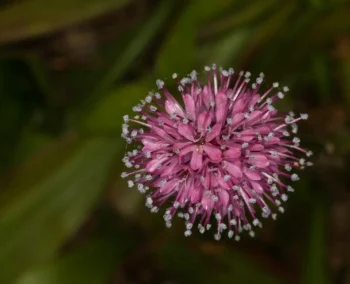
Swamppink is a herbaceous perennial forb that puts on quite a show each spring. Dense, cylindrical spikes of small pink flowers emerge from rosettes of evergreen leaves, creating eye-catching displays that can brighten even the shadiest bog. These blooms appear in early spring, often when snow is still melting, making them incredibly valuable for early pollinators.
Where Swamppink Calls Home
This native beauty naturally occurs across the eastern United States, from New York down to Georgia. You’ll find it in Delaware, Georgia, Maryland, New Jersey, New York, North Carolina, South Carolina, and Virginia, where it thrives in acidic wetlands and boggy areas.
- Species observed
- No observations
Important Conservation Status
Here’s where things get serious: swamppink is a rare plant that needs our help. It’s federally listed as Threatened and is considered Endangered in New Jersey. With a global conservation status of vulnerable, this species faces significant challenges in the wild due to habitat loss and degradation.
If you’re interested in growing swamppink, you must source it responsibly. Never collect plants from the wild, and only purchase from reputable native plant nurseries that propagate their own stock. By growing this species in appropriate garden settings, you’re actually helping conservation efforts!
Perfect Growing Conditions
Swamppink is quite particular about where it lives, and for good reason – it’s perfectly adapted to specific wetland conditions:
- Moisture: Requires consistently wet to moist soil; this is an obligate wetland plant
- Soil type: Acidic, boggy conditions with good organic content
- Light: Partial shade to full sun
- Hardiness: Thrives in USDA zones 5-8
- Habitat: Perfect for rain gardens, bog gardens, pond edges, and naturalized wetland areas
Why Your Garden (and Pollinators) Will Love It
Beyond its conservation value, swamppink offers practical benefits for wildlife-friendly gardens:
- Early spring blooms provide crucial nectar when few other flowers are available
- Supports native bees and other early-season pollinators
- Evergreen foliage provides year-round structure in wetland gardens
- Creates natural-looking displays in specialized garden environments
Planting and Care Tips
Success with swamppink starts with creating the right conditions:
- Site selection: Choose the wettest, most consistently moist area of your property
- Soil preparation: Ensure acidic conditions (pH 4.5-6.0) with plenty of organic matter
- Planting time: Spring is best, after the last frost
- Maintenance: Very low maintenance once established in appropriate conditions
- Patience: Allow time for establishment – this isn’t a fast-growing plant
Is Swamppink Right for Your Garden?
Swamppink isn’t for everyone, and that’s okay! This specialized plant works best for gardeners who:
- Have naturally wet areas or constructed wetland features
- Are passionate about native plant conservation
- Enjoy creating specialized habitat gardens
- Want to support early-season pollinators
- Appreciate subtle, naturalistic beauty over flashy displays
If your property doesn’t have the right conditions, don’t try to force it. Instead, consider supporting swamppink conservation through native plant organizations or by creating appropriate wetland habitat if you have the space and resources.
A Plant Worth Protecting
Growing swamppink is more than just gardening – it’s participating in conservation. By providing this rare native with appropriate garden habitat, you’re helping ensure future generations can enjoy its subtle spring beauty. Just remember: source responsibly, plant thoughtfully, and give this special species the wet, acidic conditions it needs to thrive.