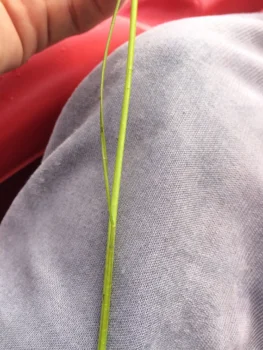
Swaying Bulrush: A Graceful Native Sedge for Water Gardens
If you’ve ever dreamed of creating a naturalistic water feature that truly captures the essence of North American wetlands, let me introduce you to swaying bulrush (Schoenoplectus subterminalis). This graceful native sedge might not win any flashy flower contests, but it brings something special to water gardens that few plants can match: authentic, gentle movement and ecological integrity.
What Makes Swaying Bulrush Special
Swaying bulrush is a perennial sedge that lives up to its common name beautifully. Its slender, grass-like stems create a subtle swaying motion in even the gentlest breeze, adding life and movement to pond edges and wetland gardens. While it may look like grass to the untrained eye, it’s actually part of the sedge family (Cyperaceae) – think of it as grass’s more water-loving cousin.
You might also encounter this plant listed under its former scientific name, Scirpus subterminalis, in older gardening resources or plant catalogs.
Where Swaying Bulrush Calls Home
This remarkable native has one of the most impressive geographic ranges you’ll find in North American plants. Swaying bulrush naturally occurs across an enormous territory, from Alaska down to South Carolina, and from the Atlantic to the Pacific coasts. You’ll find it thriving in states as diverse as California, Montana, Maine, and Tennessee, plus throughout much of Canada.
- Species observed
- No observations
A Word of Caution: Rarity Considerations
While swaying bulrush has a wide overall range, it’s become quite rare in some areas. In Alabama, for example, it holds an S1 status, meaning it’s critically imperiled in that state. If you’re interested in growing this plant, please source it responsibly from reputable native plant nurseries rather than collecting from wild populations. This helps protect the remaining natural stands while still allowing you to enjoy this wonderful plant in your garden.
Why Choose Swaying Bulrush for Your Garden
Here’s where swaying bulrush really shines: it’s an obligate wetland plant, meaning it almost always occurs in wetlands across all regions of North America. This makes it perfect for:
- Pond edges and shoreline plantings
- Rain gardens and bioswales
- Bog gardens and constructed wetlands
- Naturalistic water features
- Wetland restoration projects
While swaying bulrush won’t attract butterflies like a native wildflower might (it’s wind-pollinated), it plays a crucial role in wetland ecosystems. It helps prevent erosion, filters water naturally, and provides habitat structure for various wetland wildlife.
Growing Swaying Bulrush Successfully
The beauty of swaying bulrush lies in its simplicity – once you provide the right conditions, it practically takes care of itself.
Light Requirements
Give your swaying bulrush full sun to partial shade. It’s quite adaptable to different light conditions as long as its moisture needs are met.
Water and Soil Needs
This is where swaying bulrush gets particular – it needs constantly moist to submerged conditions. Think pond edges where the soil stays saturated, or even growing directly in shallow water. Regular garden soil, even if kept moist, usually won’t cut it for this wetland specialist.
Hardiness
Swaying bulrush is generally hardy in USDA zones 3-9, though this can vary depending on your specific location within its natural range.
Maintenance
Once established in the right conditions, swaying bulrush is refreshingly low-maintenance. You can cut it back in late fall or early spring if you prefer a tidy appearance, but many gardeners leave it standing through winter for wildlife habitat and visual interest.
Is Swaying Bulrush Right for Your Garden?
Swaying bulrush is perfect for you if you have or are planning a water feature, rain garden, or wetland area, and you value native plants that provide authentic ecosystem function. It’s not the right choice if you’re looking for showy flowers or if you don’t have consistently wet conditions to offer.
Remember, this plant needs real wetland conditions – not just moist soil, but truly wet, boggy, or submerged conditions. If you can provide that, you’ll be rewarded with a graceful, low-maintenance native that brings authentic North American wetland character to your landscape.
By choosing responsibly-sourced swaying bulrush, you’re not just adding a beautiful plant to your garden – you’re participating in the conservation of North America’s precious wetland heritage, one garden at a time.