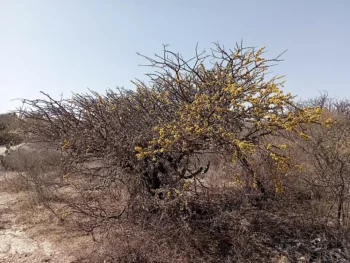
Sweet Acacia: A Fragrant Flowering Shrub for Warm Climate Gardens
If you’re looking for a flowering shrub that combines stunning fragrance with drought tolerance, sweet acacia (Vachellia farnesiana) might just be your new garden favorite. This thorny beauty produces clouds of golden, pom-pom-like flowers that smell absolutely divine – think vanilla mixed with honey. But before you rush to the nursery, let’s dive into what makes this plant tick and whether it’s right for your garden.
What Is Sweet Acacia?
Sweet acacia, also known by the delightful name aroma klu kolu in some regions, is a perennial shrub that typically grows as a multi-stemmed woody plant reaching 13 to 16 feet in height. Don’t let the modest height fool you – this plant makes up for its size with personality, sporting feathery, fern-like leaves and branches armed with sharp thorns that mean business.
You might also encounter this plant under several other scientific names, as botanists have been busy reclassifying it over the years. Historically, it’s been called Acacia farnesiana, among other synonyms, so don’t be confused if you see it listed differently at various nurseries.
Where Does Sweet Acacia Call Home?
Here’s where things get interesting – sweet acacia has a complex relationship with geography. It’s native to the lower 48 United States, Puerto Rico, and the U.S. Virgin Islands, but it’s also established itself as a non-native species in Hawaii and other Pacific Basin locations, where it reproduces on its own and persists without human help.
Currently, you can find sweet acacia growing in Alabama, Arizona, California, Florida, Georgia, Hawaii, Louisiana, Mississippi, New Mexico, Texas, Guam, Puerto Rico, U.S. Minor Outlying Islands, and the Virgin Islands.
- Species observed
- No observations
Garden Appeal and Landscape Role
Sweet acacia earns its keep in the garden through sheer sensory appeal. Those fragrant yellow flower clusters appear in ball-shaped formations that look like tiny golden fireworks. The blooming season brings waves of pollinators – bees and butterflies absolutely love this plant.
In landscape design, sweet acacia serves multiple roles:
- Specimen plant for focal points
- Natural barrier or security hedge (thanks to those thorns)
- Fragrance garden centerpiece
- Drought-tolerant landscaping component
What Type of Garden Suits Sweet Acacia?
This shrub thrives in xeriscapes, Mediterranean-style gardens, and wildlife-friendly landscapes. If you’re dealing with hot, dry conditions and want something that won’t demand constant watering, sweet acacia could be your answer. It’s particularly well-suited for gardeners in USDA hardiness zones 9-11.
Growing Conditions and Care
Sweet acacia isn’t particularly fussy, which makes it appealing to busy gardeners. Here’s what it prefers:
- Sunlight: Full sun for best flowering
- Soil: Well-draining soil (it’s not picky about soil type)
- Water: Drought tolerant once established, but appreciates regular water the first year
- Climate: Heat tolerant and thrives in warm climates
Regarding wetland conditions, sweet acacia typically prefers upland areas. Across most regions, it’s classified as Facultative Upland, meaning it usually grows in non-wetland areas but can occasionally tolerate wetter conditions. In Hawaii, it’s strictly an upland plant.
Planting and Care Tips
Plant sweet acacia in spring after the last frost danger passes. Water regularly during the first growing season to help establish a strong root system, then you can back off and let nature take over. The plant requires minimal pruning, though you might want to trim for shape or to manage size.
One important note: those thorns aren’t just for show. Wear gloves and long sleeves when working around this plant, and consider its placement carefully if you have children or pets who might encounter it.
Wildlife and Pollinator Benefits
The fragrant flowers are pollinator magnets, attracting bees, butterflies, and other beneficial insects. This makes sweet acacia an excellent choice for wildlife gardens and anyone looking to support local pollinator populations.
Should You Plant Sweet Acacia?
The answer depends on your location and garden goals. If you live in areas where it’s native – like Texas, Florida, or other southeastern and southwestern states – it can be a wonderful addition to a native plant garden. The drought tolerance and pollinator appeal make it particularly valuable.
For gardeners in regions where it’s not native, consider whether you have native alternatives that might serve similar functions. Many regions have native acacias or other thorny, drought-tolerant shrubs that could provide similar benefits while supporting local ecosystems.
Sweet acacia offers undeniable charm with its fragrant flowers and low-maintenance nature. Whether it’s right for your garden depends on balancing its appealing qualities with thoughtful consideration of your local ecosystem and gardening goals.