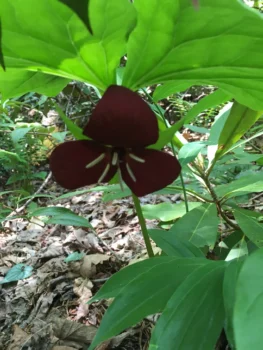
Sweet Wakerobin: A Rare Gem for Your Woodland Garden
If you’re looking to add a touch of woodland magic to your shade garden, sweet wakerobin might just be the perfect addition. This enchanting native wildflower brings early spring color to the forest floor with its distinctive three-petaled blooms and elegant foliage arrangement.
What is Sweet Wakerobin?
Sweet wakerobin (Trillium vaseyi) is a perennial wildflower native to the southeastern United States. As its botanical name suggests, this plant belongs to the trillium family, known for their characteristic threes – three leaves, three petals, and three sepals. Don’t let the scientific terminology intimidate you; this is simply a beautiful woodland flower that knows how to make a statement.
This charming plant is classified as a forb, which means it’s a non-woody flowering plant that dies back to the ground each winter and returns fresh each spring. Think of it as nature’s own perennial garden star, perfectly adapted to life on the forest floor.
Where Does Sweet Wakerobin Call Home?
Sweet wakerobin is a true southern belle, naturally growing in the mountainous regions of Alabama, Georgia, North Carolina, South Carolina, Tennessee, and Virginia. This plant has made its home in the rich, cool forests of the Southern Appalachians, where it thrives in the dappled light beneath the forest canopy.
- Species observed
- No observations
A Word About Rarity
Important note for gardeners: Sweet wakerobin is considered rare in Alabama, with a conservation status of S1?, meaning it’s critically imperiled in that state. If you’re interested in growing this beautiful native, please ensure you source your plants responsibly from reputable nurseries that ethically propagate their stock. Never dig plants from the wild – this practice threatens wild populations and is often illegal.
Why Grow Sweet Wakerobin?
There are several compelling reasons to consider adding sweet wakerobin to your garden:
- **Native beauty**: Supporting local ecosystems while enjoying stunning spring blooms
- **Early season interest**: Flowers appear in early spring when most of the garden is still waking up
- **Low maintenance**: Once established, requires minimal care
- **Pollinator support**: Attracts native flies and beetles that serve as pollinators
- **Unique appearance**: The deep red to maroon flowers (sometimes pink) create a striking contrast against the forest floor
Perfect Garden Settings
Sweet wakerobin is ideally suited for:
- Woodland gardens and naturalized areas
- Shade gardens with rich, organic soil
- Native plant gardens focused on regional species
- Spring ephemeral collections
- Areas where you want early season color before trees leaf out
Growing Conditions and Care
Sweet wakerobin thrives in conditions that mimic its natural forest habitat:
Light: Partial to full shade – this plant prefers the dappled light of a woodland setting
Soil: Rich, moist, well-draining soil with plenty of organic matter. Think forest floor conditions with decomposing leaves and good drainage.
Hardiness: Hardy in USDA zones 5-8, making it suitable for most temperate regions
Moisture: Consistent moisture during the growing season, but not waterlogged
Planting and Care Tips
Getting sweet wakerobin established in your garden requires patience, but the results are worth it:
- **When to plant**: Fall is the best time to plant rhizomes
- **Planting depth**: Plant rhizomes about 2-3 inches deep
- **Spacing**: Allow 12-18 inches between plants
- **Mulching**: Apply a light layer of leaf mold or compost to mimic forest conditions
- **Patience**: Trilliums can take several years to become established and may not flower the first year
- **Minimal disturbance**: Once planted, avoid disturbing the area as trilliums don’t like their roots disrupted
Wildlife and Pollinator Benefits
While sweet wakerobin may not attract butterflies like some showier flowers, it plays an important role in supporting native ecosystems. The flowers attract flies and beetles that serve as pollinators, contributing to the complex web of relationships that make woodland ecosystems thrive.
Is Sweet Wakerobin Right for Your Garden?
Sweet wakerobin is an excellent choice for gardeners who:
- Have shady areas that need spring interest
- Want to support native plant conservation
- Enjoy subtle, sophisticated beauty over flashy displays
- Are willing to be patient with slow-establishing plants
- Have access to responsibly sourced plants
However, this plant might not be the best fit if you’re looking for fast results, bright colors, or plants for sunny locations.
Final Thoughts
Sweet wakerobin represents the quiet beauty of our native woodlands. By growing this rare treasure responsibly, you’re not only adding unique charm to your shade garden but also contributing to the conservation of our native plant heritage. Just remember to source your plants ethically and give them the woodland conditions they crave. With proper care and patience, sweet wakerobin will reward you with years of springtime beauty and the satisfaction of knowing you’re supporting native biodiversity right in your own backyard.