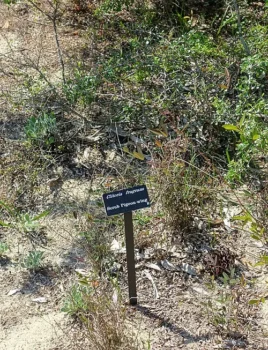
Sweet-Scented Pigeonwings: A Fragrant Florida Native Worth Protecting
If you’re looking to add a touch of Florida’s natural heritage to your garden while supporting conservation efforts, sweet-scented pigeonwings might just be the perfect addition. This charming native legume brings both beauty and ecological value to the landscape, though it comes with an important conservation story that every gardener should know.
What Makes Sweet-Scented Pigeonwings Special
Sweet-scented pigeonwings (Clitoria fragrans) is a perennial forb that’s as delightful as its name suggests. This herbaceous plant produces stunning purple-blue butterfly-shaped flowers that release a pleasant fragrance, making it a sensory treat for any garden. As a member of the legume family, it also helps improve soil health by fixing nitrogen naturally.
You might also see this plant listed under its scientific synonym, Martiusia fragrans, in older gardening references, but Clitoria fragrans is the current accepted name.
Where It Calls Home
This special plant is a true Florida endemic, meaning it grows naturally nowhere else in the world except the Sunshine State. Within Florida, sweet-scented pigeonwings thrives in the state’s unique scrub and sandhill ecosystems, where it has adapted to sandy soils and periodic drought conditions.
- Species observed
- No observations
A Plant That Needs Our Help
Here’s where things get serious: sweet-scented pigeonwings is currently listed as threatened and has a global conservation status of S3, meaning it’s vulnerable to extinction. With only 21 to 100 known occurrences and between 3,000 to 10,000 individuals remaining in the wild, this beautiful native is fighting for survival.
If you choose to grow this plant, please ensure you source it responsibly from reputable native plant nurseries or conservation organizations. Never collect seeds or plants from wild populations.
Perfect for Florida Gardens
Sweet-scented pigeonwings is ideally suited for USDA hardiness zones 8b through 11, making it perfect for Florida gardeners. This drought-tolerant beauty works wonderfully in:
- Native plant gardens
- Wildlife and pollinator gardens
- Xerophytic (drought-tolerant) landscapes
- Naturalized areas
- Conservation gardens
Growing Conditions That Make It Happy
Like many Florida natives, sweet-scented pigeonwings has adapted to some pretty specific conditions. Here’s what it loves:
- Soil: Well-draining sandy soils (just like Florida’s natural scrublands)
- Sun exposure: Full sun to partial shade
- Water: Drought tolerant once established, but appreciates occasional watering during dry spells
- Drainage: Excellent drainage is crucial – this plant doesn’t like wet feet
Planting and Care Tips
Growing sweet-scented pigeonwings successfully is all about mimicking its natural habitat:
- Plant in spring after the last frost
- Ensure soil drains well – amend heavy soils with sand if necessary
- Water regularly during the first growing season to establish roots
- Once established, water only during extended dry periods
- Minimal fertilization needed – as a legume, it fixes its own nitrogen
- If starting from seed, scarification may improve germination rates
Benefits for Pollinators and Wildlife
Sweet-scented pigeonwings isn’t just pretty – it’s also a valuable resource for Florida’s native wildlife. The fragrant flowers attract bees and butterflies, providing important nectar sources. As a legume, it also supports various beneficial insects and contributes to the overall health of the garden ecosystem.
Making a Conservation Impact
By choosing to grow sweet-scented pigeonwings in your garden, you’re doing more than just adding a beautiful plant – you’re participating in conservation. Every responsibly grown plant helps preserve genetic diversity and creates awareness about Florida’s unique flora.
Remember, the key is sourcing plants ethically. Look for native plant sales at botanical gardens, conservation organizations, or specialized native plant nurseries. Your garden can become a small sanctuary for this threatened species while you enjoy its fragrant blooms and ecological benefits.
Sweet-scented pigeonwings proves that sometimes the most special plants are the ones right in our own backyard – we just need to give them the chance to thrive.