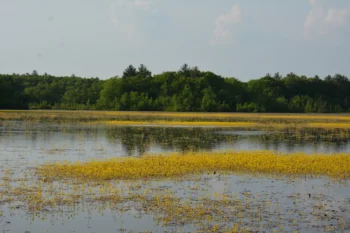
Swollen Bladderwort: A Fascinating Native Carnivorous Water Plant
Meet one of nature’s most intriguing tiny predators: the swollen bladderwort (Utricularia inflata). This remarkable native carnivorous plant might just be the most unusual addition you never knew your water garden needed. While it may not have the flashy appeal of a water lily, this little hunter brings its own brand of aquatic magic to specialized garden settings.
What Makes Swollen Bladderwort Special
Swollen bladderwort is a native perennial forb that lives a double life. Above water, you’ll see delicate yellow flowers dancing on slender stems. Below the surface lies the real show-stopper: tiny bladder-shaped traps that capture microscopic prey with lightning speed. It’s like having a miniature carnivorous plant collection right in your pond!
This fascinating plant is native to the lower 48 states and can be found growing wild across a broad range from Massachusetts down to Florida and west to Texas, Oklahoma, and even Washington state. As an obligate wetland species, it almost always occurs in wetland environments across all regions of the country.
- Species observed
- No observations
Important Conservation Considerations
Before you start planning your bladderwort garden, there’s something important to know: this plant is considered rare in several states. In Alabama, it has a rarity status of S1S2, while Arkansas lists it as S1, and New Jersey designates it as Highlands Listed, S3. If you’re interested in growing swollen bladderwort, please ensure you source it responsibly from reputable native plant suppliers rather than collecting from wild populations.
Is Swollen Bladderwort Right for Your Garden?
This isn’t your typical garden plant, and that’s exactly what makes it exciting for the right gardener. Swollen bladderwort is perfect for:
- Water garden enthusiasts looking for native aquatic plants
- Bog garden creators wanting authentic wetland species
- Educational gardens showcasing carnivorous plants
- Natural pond ecosystems and wildlife habitats
- Container water gardens with a scientific twist
However, it’s definitely not suitable for traditional flower beds or dry landscapes. This plant demands water – and lots of it.
Growing Conditions and Care
Successfully growing swollen bladderwort is all about recreating its natural wetland habitat:
Water Requirements: This plant must have permanent access to water. It can grow partially submerged or in consistently saturated soil. Think bog conditions or shallow pond margins.
Light: Provide full sun to partial shade. In its natural habitat, it often grows in open wetlands with plenty of sunlight.
Hardiness: Based on its native range, swollen bladderwort should be hardy in USDA zones 6-10, though it may go dormant during colder months.
Soil/Water: Prefers acidic to neutral conditions. If growing in containers, use a mix of peat and sand, and keep it constantly wet or submerged.
Planting and Maintenance Tips
Growing this aquatic carnivore requires a different approach than typical gardening:
- Plant in spring when temperatures warm up
- If using containers, choose wide, shallow pots that can hold standing water
- Never let the growing medium dry out – ever
- Avoid fertilizers, as carnivorous plants get their nutrients from captured prey
- Use distilled or rainwater when possible, as tap water chemicals can harm the plant
- Allow the plant to go naturally dormant in winter if temperatures drop
Ecological Benefits
While swollen bladderwort may not be a major pollinator magnet due to its specialized habitat and tiny flowers, it plays an important role in aquatic ecosystems. As a native species, it provides authentic habitat for wetland wildlife and helps maintain the natural balance of aquatic environments. Its carnivorous nature also means it’s constantly working as a natural pest control agent, capturing mosquito larvae and other small aquatic organisms.
The Bottom Line
Swollen bladderwort isn’t for every gardener, but for those with water features or bog gardens, it offers something truly special. This native carnivorous plant brings both educational value and ecological authenticity to aquatic landscapes. Just remember to source it responsibly and be prepared to meet its very specific water requirements. If you can provide the wet conditions it craves, you’ll be rewarded with one of nature’s most fascinating tiny predators right in your own garden.