Sword Townsend Daisy: A Charming Native Wildflower for Rocky Mountain Gardens
If you’re looking for a tough little native wildflower that can handle harsh conditions while adding delicate beauty to your garden, the sword Townsend daisy (Townsendia spathulata) might just be your new favorite plant. This hardy biennial or perennial forb brings the rugged charm of the Rocky Mountains right to your backyard.
What Makes Sword Townsend Daisy Special
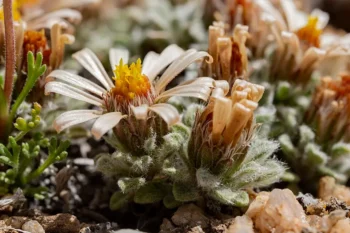
The sword Townsend daisy is a native wildflower that belongs to the sunflower family. Despite its delicate appearance, this little powerhouse is built to survive in some pretty tough conditions. As a forb—basically a non-woody flowering plant—it stays low to the ground and produces charming daisy-like blooms that look like tiny white or pale pink stars scattered across the landscape.
Where Does It Call Home?
This native beauty is naturally found in Montana and Wyoming, where it has adapted to thrive in the challenging conditions of the northern Rocky Mountain region. It’s a true child of the American West, perfectly suited to the big skies and harsh winters of this rugged landscape.
- Species observed
- No observations
A Garden Gem Worth Protecting
Here’s something important to know: sword Townsend daisy has a Global Conservation Status of S3, which means it’s considered vulnerable. With typically only 21 to 100 known occurrences and between 3,000 to 10,000 individuals in the wild, this little beauty deserves our respect and care. If you decide to grow it, please make sure you source your plants or seeds from reputable native plant nurseries that propagate their stock responsibly—never collect from wild populations.
Garden Appeal and Design Uses
The sword Townsend daisy brings a subtle, naturalistic beauty to gardens. Its small white to pale pink flowers with bright yellow centers create a cheerful display during spring and early summer blooming periods. The plant works wonderfully as:
- Ground cover in rock gardens
- Accent plants in alpine garden settings
- Natural additions to prairie or meadow gardens
- Drought-tolerant specimens in xeric landscapes
Perfect Growing Conditions
This tough little plant thrives in USDA hardiness zones 3-6, making it perfect for gardeners dealing with cold winters. Here’s what sword Townsend daisy needs to be happy:
- Sun exposure: Full sun is essential
- Soil drainage: Excellent drainage is absolutely critical—this plant hates wet feet
- Soil fertility: Actually prefers poor to average soils; avoid rich, fertile conditions
- Water needs: Drought tolerant once established; minimal watering required
Planting and Care Tips
Growing sword Townsend daisy successfully is all about mimicking its natural Rocky Mountain habitat:
- Plant in well-draining soil with plenty of grit or sand mixed in
- Choose a sunny location that receives at least 6-8 hours of direct sunlight
- Water sparingly—only during extremely dry periods in the first year
- Avoid fertilizing, as rich soils can actually harm this adapted native
- Allow natural self-seeding in appropriate garden areas
Supporting Pollinators
While small in stature, sword Townsend daisy punches above its weight when it comes to supporting local wildlife. The flowers attract native bees and small butterflies, making it a valuable addition to pollinator-friendly gardens. Every little bloom counts when it comes to supporting our native insect populations!
Is Sword Townsend Daisy Right for Your Garden?
This native wildflower is perfect for gardeners who:
- Live in zones 3-6 and want tough, cold-hardy plants
- Are creating rock gardens or alpine plant collections
- Want to support native plant conservation
- Prefer low-maintenance, drought-tolerant plants
- Are designing naturalistic or prairie-style landscapes
However, it might not be the best choice if you’re looking for a plant that provides dramatic color impact or works well in rich, moist garden beds. This is definitely a plant that appreciates the tough love approach to gardening.
By choosing to grow sword Townsend daisy with responsibly sourced plants, you’re not just adding a charming native to your garden—you’re also participating in the conservation of a vulnerable species. Now that’s what we call gardening with purpose!