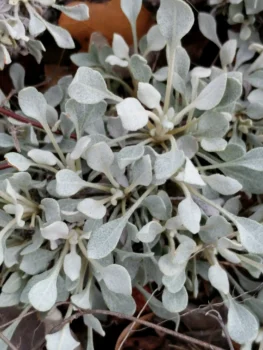
Tall Buckwheat: A Texas Native Worth Discovering
If you’re looking to add authentic Texas charm to your native plant garden, tall buckwheat (Eriogonum tenellum var. ramosissimum) might just be the hidden gem you’ve been searching for. This delightful perennial herb brings a touch of wild prairie elegance to landscapes while supporting local ecosystems.
What Makes Tall Buckwheat Special?
Tall buckwheat is a true Texas native, belonging to the diverse buckwheat family that’s beloved by pollinators and wildlife across North America. As a herbaceous perennial, this plant returns year after year without developing woody stems, making it a reliable addition to your garden’s soft landscape layer.
Also known scientifically as Eriogonum tenellum var. ramosissimum (and sometimes referenced by its synonym Eriogonum tenellum var. caulescens), this plant represents a specific variety that has adapted beautifully to Texas conditions over thousands of years.
Where Does It Call Home?
This charming native is found exclusively in Texas, making it a truly special addition for Lone Star State gardeners who want to celebrate their local flora. Its limited geographic range makes it a conversation starter and a way to connect with your region’s unique botanical heritage.
- Species observed
- No observations
Why Consider Tall Buckwheat for Your Garden?
Here are several compelling reasons to welcome this native into your landscape:
- Native authenticity: Supporting local ecosystems by growing plants that evolved in your area
- Low maintenance: Once established, native plants typically require less water and care than non-natives
- Pollinator support: Buckwheats are generally excellent pollinator plants, likely attracting native bees and butterflies
- Perennial reliability: Returns each growing season without replanting
- Unique character: Adds distinctive Texas native appeal to your garden
A Note About Rarity
Before you get too excited, there’s something important to know: tall buckwheat has a conservation status that suggests it’s not super common in the wild. If you do decide to grow this special native, please make sure you source it responsibly from reputable native plant nurseries or seed suppliers who propagate their plants ethically rather than wild-collecting them.
Garden Design Ideas
While specific horticultural details for this particular variety are limited, tall buckwheat would likely shine in:
- Native Texas plant gardens
- Prairie restoration projects
- Pollinator gardens
- Low-water or xerophytic landscapes
- Educational or demonstration gardens featuring local flora
Growing Conditions and Care
As with most Texas natives, tall buckwheat likely prefers:
- Well-draining soils (most buckwheats dislike soggy conditions)
- Full sun to partial shade
- Minimal supplemental watering once established
- Good air circulation
Since this is a relatively uncommon plant in cultivation, you might need to experiment a bit to find the perfect spot in your garden. Start with conditions that work for other native Texas perennials and adjust as needed.
The Bottom Line
Tall buckwheat represents an opportunity to grow something truly special – a plant that’s authentically Texan and supports local wildlife. While it may take some detective work to source this native gem, the reward of growing something so connected to your local landscape makes the effort worthwhile.
If you can’t locate this specific variety, consider exploring other native Eriogonum species that might be more readily available. The native plant community is always happy to help fellow gardeners discover the perfect local alternatives!
Remember: when growing rare natives, we’re not just gardening – we’re participating in conservation. Every garden that welcomes these special plants helps ensure they continue to thrive for future generations to enjoy.