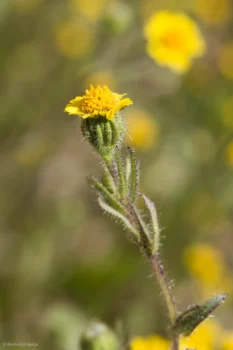
Tall Tidytips: A Charming California Native for Your Wildflower Garden
If you’re looking to add some sunny California charm to your native plant garden, tall tidytips (Layia hieracioides) might just be the delightful annual you’ve been searching for. This cheerful wildflower brings a splash of golden yellow to naturalized landscapes while supporting local pollinators and celebrating California’s botanical heritage.
What Makes Tall Tidytips Special?
Tall tidytips is a California native annual that belongs to the sunflower family. As a forb (that’s botanical speak for a non-woody herbaceous plant), it produces lovely daisy-like flowers that brighten up grasslands and oak woodlands throughout its growing season. The plant gets its common name from the distinctive white-tipped petals that crown its cheerful yellow blooms.
You might also encounter this plant listed under its botanical synonym, Layia paniculata, in older gardening references, but rest assured it’s the same delightful wildflower.
Where Does Tall Tidytips Call Home?
This native beauty is endemic to California, meaning it naturally occurs nowhere else in the world. You’ll find tall tidytips growing wild in grasslands, oak woodlands, and similar habitats throughout the Golden State, where it has adapted perfectly to the Mediterranean climate.
- Species observed
- No observations
Why Consider Tall Tidytips for Your Garden?
There are several compelling reasons to welcome tall tidytips into your landscape:
- Pollinator magnet: The bright flowers attract bees, butterflies, and other beneficial insects
- Low maintenance: As a drought-tolerant native, it requires minimal care once established
- Authentic habitat: Perfect for creating genuine California wildflower meadows
- Self-seeding: Will naturally reseed itself for future growing seasons
- Seasonal beauty: Provides spring and early summer color in native gardens
Important Conservation Note
Before you rush out to plant tall tidytips, there’s something important to know: this species has a conservation status of S3S4, indicating it’s somewhat uncommon to apparently secure. If you choose to grow tall tidytips, please source your seeds or plants from reputable native plant nurseries that practice responsible collection methods. Never collect seeds from wild populations.
Growing Tall Tidytips Successfully
The good news is that tall tidytips is relatively easy to grow when you understand its preferences:
Ideal Growing Conditions
- Sunlight: Full sun exposure
- Soil: Well-draining soil; tolerates poor soils
- Water: Drought tolerant once established; minimal summer water
- Climate: USDA hardiness zones 8-10 (California’s Mediterranean climate)
Planting and Care Tips
Since tall tidytips is an annual, you’ll want to direct seed it in your garden. The best time for planting is fall, which allows the seeds to experience the natural winter chill they need for proper germination. Simply scatter the seeds over prepared soil and lightly rake them in.
Once your tall tidytips are growing, they’re remarkably low-maintenance. Water them during establishment, but reduce watering as they mature—these California natives are adapted to dry summers and too much water can actually harm them.
Perfect Garden Companions
Tall tidytips works beautifully in wildflower meadows alongside other California natives like poppies, lupines, and clarkia. It’s also excellent for naturalized areas where you want to create habitat for local wildlife while maintaining that authentic California grassland feel.
The Bottom Line
Tall tidytips offers California gardeners a wonderful opportunity to grow a true native wildflower that supports local ecosystems while adding natural beauty to the landscape. Just remember to source your plants responsibly and enjoy watching this charming annual attract pollinators and spread its sunny disposition throughout your garden. With minimal care requirements and maximum ecological benefits, tall tidytips proves that sometimes the best garden additions are the ones that have been growing in your region all along.