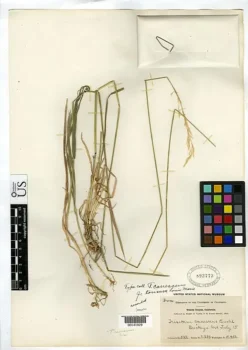
Tall Trisetum: A Graceful Native Grass for Western Gardens
If you’re looking to add some authentic western character to your landscape, tall trisetum (Trisetum canescens) might just be the understated star you’ve been searching for. This perennial native grass brings a touch of wild elegance to gardens while supporting local ecosystems – and it’s surprisingly easy to grow once you understand its preferences.
What Makes Tall Trisetum Special
Tall trisetum is a true native of western North America, naturally occurring across a remarkable range from Alaska down through the western United States. You’ll find this adaptable grass growing wild in Alberta, British Columbia, Alaska, Arizona, California, Idaho, Montana, Nevada, Oregon, Utah, Washington, and Wyoming. That’s quite the impressive native range!
- Species observed
- No observations
This grass earns its tall common name by reaching up to 3.5 feet in height when mature, creating a semi-erect growth form that adds vertical interest without overwhelming smaller plants. Its green foliage has a coarse texture that provides nice contrast to finer-leaved companions, while its yellow flowers bloom during summer months – though they’re not particularly showy.
Where Tall Trisetum Thrives in Your Garden
Here’s where tall trisetum really shines: it’s incredibly versatile in terms of growing conditions. This grass has a Facultative Upland wetland status across its range, meaning it usually prefers drier sites but can handle some moisture when needed. It’s like the Swiss Army knife of native grasses!
Tall trisetum performs best in:
- Medium-textured, well-draining soils
- Areas receiving 20-40 inches of annual precipitation
- Sites with moderate moisture levels
- Locations with intermediate shade tolerance
- pH levels between 6.0-7.0
- USDA hardiness zones 3-7
One of this grass’s most impressive qualities is its cold hardiness – it can withstand temperatures as low as -33°F. Talk about tough! It also has high fire tolerance, making it an excellent choice for areas prone to wildfires.
Perfect Garden Roles for Tall Trisetum
This native grass excels in naturalistic landscape designs where you want to create that wild meadow look without the chaos. Its moderate growth rate and stoloniferous growth form (meaning it spreads via underground runners) make it excellent for:
- Native plant gardens and meadow restorations
- Erosion control on slopes
- Ground cover in larger landscape areas
- Mountain and alpine garden settings
- Low-maintenance naturalistic plantings
Growing Tall Trisetum Successfully
The good news? Tall trisetum is relatively low-maintenance once established. Here’s how to set it up for success:
Planting: This grass propagates best from seed, with about 2 million seeds per pound – that’s a lot of potential plants! You can also propagate it using sprigs. The best planting density is around 1,700 plants per acre for restoration projects.
Timing: Seeds are produced from summer through fall, with medium abundance. The plant is active during spring, summer, and fall, going dormant in winter.
Care Requirements: Once established, tall trisetum has medium drought tolerance and low fertility requirements. It’s a slow grower initially with low seedling vigor, so be patient! After harvest or cutting, regrowth is slow, so avoid over-harvesting.
Wildlife and Ecosystem Benefits
While tall trisetum may not be the flashiest plant in your garden, it plays important ecological roles. As a native grass, it provides habitat structure for small wildlife and contributes to the overall health of native plant communities. Its seeds provide food for birds and small mammals, though it’s not considered a major wildlife food source.
The Bottom Line
Tall trisetum is an excellent choice for gardeners wanting to incorporate authentic native plants into their western landscapes. It’s particularly valuable for those dealing with challenging conditions like cold winters, fire-prone areas, or sites that need erosion control. While it won’t steal the show with flashy flowers, its subtle beauty and ecological value make it a worthy addition to native plant gardens, meadow restorations, and naturalistic landscapes.
Just remember: this grass prefers the slow and steady approach to life. Give it time to establish, provide well-draining soil and moderate moisture, and it will reward you with years of low-maintenance, authentic western character in your landscape.