Tallow Wood: A Thorny Native Treasure for Warm Climate Gardens
If you’re looking for a tough, native plant that can handle coastal conditions while providing food for both wildlife and humans, let me introduce you to tallow wood (Ximenia americana). This spiky character might not win any beauty contests, but it’s got personality and practical benefits that make it worth considering for the right garden.
What Exactly is Tallow Wood?
Tallow wood is a native perennial shrub that typically grows as a multi-stemmed woody plant, usually staying under 13-16 feet tall. Don’t let the modest height fool you – this plant makes up for its size with attitude, sporting thorny branches that mean business. You might also see it listed under its old scientific name, Ximenia inermis, but Ximenia americana is the current accepted name.
Where Does Tallow Wood Call Home?
This native beauty has quite the impressive range for such a specialized plant. In the United States, you’ll find tallow wood naturally occurring in:
- Florida
- Puerto Rico
- U.S. Virgin Islands
- Guam
- Palau
It’s native to the lower 48 states, the Pacific Basin (excluding Hawaii), Puerto Rico, and the U.S. Virgin Islands, making it a true American native with tropical and subtropical preferences.
- Species observed
- No observations
Why You Might Want to Plant Tallow Wood
Despite its thorny disposition, tallow wood offers several compelling reasons to include it in your landscape:
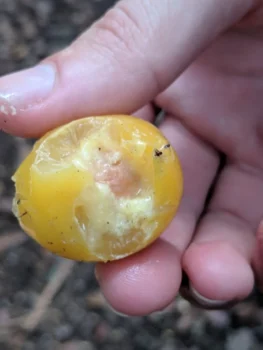
Edible Appeal: Those small white fragrant flowers eventually develop into orange-red fruits that are not only edible but quite tasty. Think of it as edible landscaping with a wild twist.
Pollinator Magnet: The small, fragrant white flowers are excellent at attracting bees, butterflies, and other beneficial pollinators to your garden.
Natural Barrier: Need a living fence or want to keep unwanted visitors (both human and animal) out of certain areas? Those thorns make tallow wood an excellent natural barrier plant.
Low Maintenance: Once established, this tough native requires minimal care and can handle drought conditions like a champ.
Growing Conditions and Care
Tallow wood is surprisingly adaptable, but it does have some preferences. This plant thrives in USDA hardiness zones 9-11, so it’s definitely a warm-climate specialist.
Sunlight: Full sun is where tallow wood really shines. Give it at least 6-8 hours of direct sunlight daily.
Soil: Well-drained soil is non-negotiable. This plant can handle various soil types but will sulk (and potentially rot) in waterlogged conditions.
Water: Here’s where tallow wood really shows its practical side. Once established, it’s quite drought tolerant and can handle dry spells with grace.
Salt Tolerance: Living near the coast? Tallow wood can handle salt spray and coastal conditions, making it perfect for seaside gardens.
Wetland Status
Understanding where tallow wood naturally grows can help you choose the perfect spot in your garden. In the Atlantic and Gulf Coastal Plain regions, it’s classified as Facultative Upland, meaning it usually prefers non-wetland areas but can occasionally tolerate some moisture. In the Caribbean region, it’s Obligate Upland, meaning it almost never occurs in wetlands and definitely prefers drier conditions.
Perfect Garden Settings
Tallow wood works beautifully in several garden styles:
- Coastal gardens: Its salt tolerance makes it ideal for oceanside landscapes
- Xeriscape gardens: Perfect for water-wise landscaping
- Wildlife gardens: Provides food and habitat for various creatures
- Tropical/subtropical landscapes: Fits naturally into warm-climate garden designs
- Edible landscapes: Combines ornamental value with edible fruit production
Planting and Care Tips
Getting your tallow wood off to a good start is fairly straightforward:
Timing: Plant in spring after the last frost when soil temperatures are warming up.
Spacing: Give each plant plenty of room to spread – remember those thorns need space, and you’ll want room to harvest fruit safely.
Establishment: Water regularly during the first growing season to help establish a strong root system, then gradually reduce watering frequency.
Pruning: Minimal pruning is needed, but if you do need to shape the plant, wear thick gloves and long sleeves – those thorns are serious business!
The Bottom Line
Tallow wood might not be the most glamorous native plant, but it’s definitely one of the most practical. If you live in zones 9-11 and want a low-maintenance native that provides food, attracts pollinators, and can handle tough growing conditions, this thorny character deserves serious consideration. Just remember to plant it where those spines won’t become a hazard, and you’ll have a reliable, productive addition to your native plant collection.
Whether you’re creating a coastal landscape, building a wildlife habitat, or just want something different for your edible garden, tallow wood proves that sometimes the most useful plants are the ones with a little attitude.