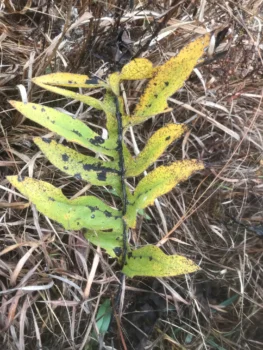
Tansy Rosinweed: A Towering Native Wildflower Worth the Wait
If you’re looking for a native wildflower that makes a bold statement in your garden, tansy rosinweed (Silphium pinnatifidum) might just be your new favorite plant. This impressive perennial forb brings sunshine-yellow blooms and architectural beauty to landscapes across the southeastern and south-central United States. But fair warning – this plant requires patience and the right conditions to truly shine.
What Makes Tansy Rosinweed Special
Tansy rosinweed stands out from other native wildflowers with its distinctive deeply divided leaves that give it the pinnatifidum part of its scientific name (which literally means pinnately cut). The plant produces large, bright yellow composite flowers that look remarkably similar to sunflowers, creating a spectacular display in late summer and fall when many other blooms are fading.
As a native perennial forb, this plant lacks woody stems but develops an impressive deep taproot system that helps it survive drought conditions. Don’t let the term forb fool you – this wildflower can reach impressive heights and create real visual impact in the right setting.
Where Tansy Rosinweed Calls Home
This native beauty naturally occurs across several states including Alabama, Georgia, Illinois, Indiana, Kentucky, Tennessee, and Wisconsin. It’s perfectly adapted to the climate and growing conditions of these regions, making it an excellent choice for gardeners wanting to support local ecosystems.
- Species observed
- No observations
A Note About Conservation
Tansy rosinweed has an undefined conservation status, which means we don’t have complete information about its population stability in the wild. If you decide to add this plant to your garden, make sure you source it responsibly from reputable native plant nurseries rather than collecting from wild populations.
Garden Design and Landscape Use
This tall wildflower works beautifully in several garden settings:
- Back borders of perennial beds where its height won’t overshadow shorter plants
- Prairie and meadow gardens where it can naturalize
- Native plant gardens focused on regional species
- Pollinator gardens where its late-season blooms provide crucial nectar
- Cottage-style gardens for a relaxed, naturalistic feel
Growing Conditions and Care
Tansy rosinweed thrives in USDA hardiness zones 4-8, making it suitable for a wide range of climates. Here’s what this native wildflower needs to succeed:
Sunlight: Full sun is essential – this plant won’t perform well in shady conditions.
Soil: Well-draining soil is crucial. Once established, the deep taproot makes it quite drought tolerant, so avoid overly wet or poorly draining areas.
Water: Average to dry conditions work best. Overwatering can actually harm this plant.
Planting and Establishment Tips
Growing tansy rosinweed successfully requires understanding its growth pattern and needs:
- Start from seed rather than transplants when possible – the taproot doesn’t like disturbance
- Direct sow seeds in fall for natural cold stratification
- If starting indoors, seeds need cold stratification treatment
- Be patient – this plant is notoriously slow to establish, sometimes taking 2-3 years to reach maturity
- Once established, it’s quite low-maintenance and long-lived
Wildlife and Pollinator Benefits
The late summer and fall blooming period makes tansy rosinweed particularly valuable for pollinators preparing for winter. Butterflies, native bees, and other beneficial insects appreciate these bright yellow flowers when many other nectar sources have finished for the season.
Is Tansy Rosinweed Right for Your Garden?
This native wildflower is perfect for gardeners who:
- Want to support native ecosystems and pollinators
- Have patience for slow-establishing plants
- Prefer low-maintenance, drought-tolerant options
- Need tall plants for back borders or prairie plantings
- Live within its native range
However, you might want to consider other options if you need quick results, have limited space, or frequently rearrange your garden beds.
Tansy rosinweed rewards patient gardeners with years of striking late-season color and the satisfaction of growing a plant that truly belongs in your local landscape. Just remember to source it responsibly and give it the sunny, well-drained conditions it craves.