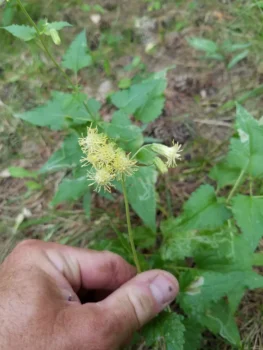
Tasselflower Brickellbush: A Hidden Gem for Native Plant Enthusiasts
If you’re looking to add a touch of wild beauty to your garden while supporting local wildlife, let me introduce you to tasselflower brickellbush (Brickellia grandiflora). This unassuming native perennial might not win any flashy flower contests, but it’s exactly the kind of dependable, wildlife-friendly plant that makes a garden truly come alive.
What Is Tasselflower Brickellbush?
Tasselflower brickellbush is a charming low-growing shrub that typically stays under 1.5 feet tall, though it can occasionally reach up to 3 feet at maturity. Don’t let its modest size fool you – this little powerhouse packs a lot of ecological value into its compact frame. As a perennial, it’ll return year after year once established, making it a fantastic long-term investment for your landscape.
Where Does It Come From?
This plant is a true North American native, calling both Canada and the lower 48 states home. You can find tasselflower brickellbush growing naturally across an impressive range that includes Alberta, British Columbia, Arizona, Arkansas, California, Colorado, Idaho, Kansas, Missouri, Montana, Nebraska, Nevada, New Mexico, Oregon, Rhode Island, Texas, Utah, Washington, and Wyoming.
- Species observed
- No observations
A Word About Rarity
Here’s something important to know: in Arkansas, tasselflower brickellbush has a rarity status of S2, meaning it’s considered imperiled in that state. If you’re planning to grow this plant, please make sure you source it responsibly from reputable native plant nurseries rather than collecting from wild populations. We want to enjoy these beauties in our gardens while protecting their natural habitats!
Why Your Garden (And Local Wildlife) Will Love It
Tasselflower brickellbush blooms in late summer and fall when many other native plants are calling it quits for the season. Its small, tassel-like yellow flowers might look modest, but they’re absolute magnets for butterflies, native bees, and other pollinators who are desperately seeking nectar sources during this time of year.
This plant shines in:
- Native plant gardens
- Xeriscaping and drought-tolerant landscapes
- Wildlife habitat gardens
- Naturalized areas where you want a wild, meadow-like feel
- Rock gardens and areas with poor soil
Growing Conditions and Care
One of the best things about tasselflower brickellbush is how wonderfully low-maintenance it is once established. This tough little plant thrives in full sun and well-drained soils – in fact, it actually prefers lean, rocky, or sandy soils over rich garden beds.
It’s drought tolerant once its roots are established, making it perfect for those of us who want beautiful gardens without constant watering. The plant typically grows well in USDA hardiness zones 4-9, so it can handle both cold winters and hot summers like a champ.
Planting and Care Tips
Getting tasselflower brickellbush established in your garden is refreshingly straightforward:
- Location: Choose a sunny spot with good drainage – avoid areas that stay soggy
- Soil: Don’t worry about amending your soil much; this plant actually prefers lean conditions
- Watering: Water regularly the first year to help establish roots, then back off – too much water can actually harm mature plants
- Maintenance: Minimal pruning needed; you can cut back old growth in late winter if desired
- Fertilizing: Skip the fertilizer – this plant thrives on neglect!
The Bottom Line
Tasselflower brickellbush might not be the showiest plant in your garden, but it’s exactly the kind of hardworking native that forms the backbone of a healthy, wildlife-supporting landscape. Its late-season blooms provide crucial nectar when pollinators need it most, and its low-maintenance nature makes it perfect for gardeners who want maximum ecological impact with minimal effort.
Just remember to source your plants responsibly, especially if you’re in areas where it’s considered rare. Your local butterflies, bees, and birds will thank you for adding this understated gem to your garden palette!