Taylor County Blackberry: A Rare Native Gem for West Virginia Gardens
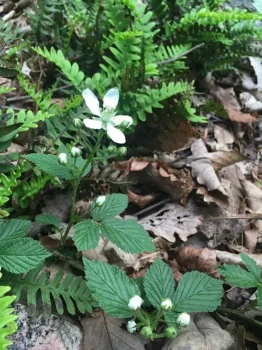
Meet the Taylor County blackberry (Rubus tygartensis), a charming little native shrub that’s as exclusive as it sounds. This petite member of the blackberry family is a true West Virginia original, making it a special addition for gardeners who love showcasing their state’s unique botanical heritage.
What Makes Taylor County Blackberry Special?
Unlike its more common blackberry cousins that can take over your entire backyard, the Taylor County blackberry keeps things modest. This low-growing perennial shrub typically stays under 1.5 feet tall and rarely exceeds 3 feet at maturity, making it perfect for gardeners who want the charm of native blackberries without the aggressive spreading behavior.
Where Does It Come From?
The Taylor County blackberry is native exclusively to West Virginia, making it a true regional treasure. This limited geographic distribution adds to its special character – when you plant this species, you’re literally growing a piece of West Virginia’s natural heritage in your garden.
- Species observed
- No observations
Important Conservation Considerations
Here’s something crucial to know: Rubus tygartensis has a conservation status that indicates it’s quite rare. This means if you’re interested in growing this unique native, you’ll want to be extra careful about sourcing. Only obtain plants or seeds from reputable native plant nurseries that can guarantee responsibly sourced material. Never collect from wild populations – let’s keep this special plant thriving in its natural habitat.
Garden Design Potential
While specific cultivation information for Taylor County blackberry is limited due to its rarity, its compact size suggests it could work beautifully in:
- Native plant gardens focused on West Virginia species
- Rock gardens or naturalized areas
- Woodland edge plantings
- Small-space gardens where larger blackberries would be overwhelming
Growing Considerations
Since this species is so specialized and rare, specific growing requirements aren’t well-documented in horticultural literature. However, being a West Virginia native, it’s likely adapted to the state’s climate conditions. If you’re fortunate enough to source this plant responsibly, treat it with the same general care you’d give other native Rubus species – well-draining soil and appropriate moisture levels.
Wildlife and Pollinator Value
While specific data on Taylor County blackberry’s wildlife benefits isn’t widely available, most Rubus species provide valuable resources for pollinators through their flowers and offer food for birds and small mammals through their fruits. Given its native status, it likely plays an important ecological role in West Virginia’s natural communities.
Should You Grow It?
The Taylor County blackberry represents something special – a chance to grow a plant that truly belongs to West Virginia’s landscape. However, its rarity means this isn’t a casual gardening choice. If you’re passionate about native plants and committed to responsible sourcing, and if you can find a reputable supplier, this could be an extraordinary addition to your collection.
For most gardeners interested in native blackberries, consider starting with more common native Rubus species that offer similar benefits without the conservation concerns. But for the dedicated native plant enthusiast who wants to support West Virginia’s unique flora, the Taylor County blackberry offers an unparalleled opportunity to grow something truly special.
Remember: always source rare plants responsibly, never collect from the wild, and consider this species as part of a broader commitment to supporting native plant conservation.