Tehipite Valley Jewelflower: A Rare California Gem Worth Protecting
If you’re a California native plant enthusiast with a passion for rare wildflowers, the Tehipite Valley jewelflower (Streptanthus fenestratus) might just capture your heart. This delicate annual is one of California’s botanical treasures, but it comes with a serious conservation story that every gardener should know.
What Makes This Jewelflower Special
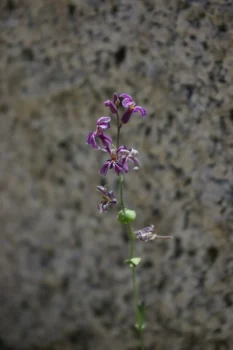
The Tehipite Valley jewelflower is a charming annual forb that belongs to the mustard family. What sets this little wildflower apart are its distinctive translucent windowed sepals that give the flowers an almost ethereal quality. The small blooms range from purple to white and are arranged in delicate racemes that dance in the mountain breeze.
As an herbaceous annual, this plant completes its entire life cycle in one growing season, making every bloom precious and fleeting.
A True California Native with a Limited Range
This jewelflower is endemic to California, with an extremely restricted range in the Sierra Nevada mountains. You’ll find it naturally occurring in areas around Kings Canyon and Sequoia National Parks, where it has adapted to the unique conditions of high-elevation granite landscapes.
- Species observed
- No observations
The Conservation Reality: Handle with Care
Here’s where things get serious. The Tehipite Valley jewelflower has a Global Conservation Status of S2, meaning it’s considered Imperiled. With typically only 6 to 20 known occurrences and an estimated 1,000 to 3,000 individuals remaining in the wild, this plant is extremely vulnerable to extinction.
What this means for gardeners: If you’re interested in growing this rare beauty, you must only use responsibly sourced seeds or plants. Never collect from wild populations, and only purchase from reputable native plant nurseries that can verify their seed sources are ethically obtained.
Growing Conditions and Care
If you can source seeds responsibly, the Tehipite Valley jewelflower thrives in conditions that mimic its mountain home:
- Soil: Well-draining, rocky or sandy soils that don’t hold water
- Light: Full sun to partial shade
- Water: Low water requirements once established; drought-tolerant
- Climate: USDA hardiness zones 8-10
Planting and Care Tips
Growing this annual requires patience and the right approach:
- Direct seed in fall for spring germination
- Seeds likely require cold stratification to break dormancy
- Provide minimal water after germination to prevent root rot
- Allow plants to self-seed for natural population maintenance
- Avoid fertilizers, which can be harmful to native wildflowers
Garden Design and Landscape Role
The Tehipite Valley jewelflower is perfect for specialized native plant collections, rock gardens, and alpine-style plantings. Its delicate form makes it ideal for:
- Native California wildflower gardens
- Rock gardens that mimic Sierra Nevada conditions
- Conservation collections in botanical gardens
- Educational gardens focused on rare California flora
Supporting Pollinators
Like many California natives, this jewelflower provides nectar and pollen for small native bees and other specialized pollinators that have co-evolved with Sierra Nevada flora.
Should You Grow Tehipite Valley Jewelflower?
This plant presents a unique opportunity for dedicated native plant gardeners who want to participate in conservation efforts. However, it’s not for casual gardeners or those looking for showy, easy-care plants.
Consider growing it if you:
- Are passionate about California native plant conservation
- Have experience growing challenging annuals
- Can provide the specific growing conditions it needs
- Can source seeds or plants responsibly
Choose alternatives if you:
- Want low-maintenance garden plants
- Are new to native plant gardening
- Cannot verify ethical seed sources
By growing the Tehipite Valley jewelflower responsibly, you’re not just adding a unique plant to your garden—you’re participating in the conservation of one of California’s rarest wildflowers. Every ethically grown plant helps ensure this mountain gem continues to grace our landscapes for future generations.