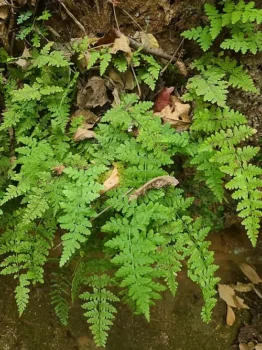
Tennessee Bladderfern: A Delicate Native Treasure for Shade Gardens
If you’re looking to add some delicate, feathery texture to your shade garden, Tennessee bladderfern (Cystopteris tennesseensis) might just be the perfect native addition. This charming little fern brings an understated elegance to woodland settings, though its somewhat rare status means you’ll want to source it responsibly.
What Makes Tennessee Bladderfern Special?
Tennessee bladderfern is a perennial native fern that’s perfectly at home in the eastern and central United States. Despite its name suggesting a Tennessee origin, this lovely fern actually grows across 21 states, from Alabama up to Minnesota and from Delaware west to Kansas. It’s part of the bladderfern family, known for their delicate, lacy appearance that adds a soft, fine texture to any garden.
You might also encounter this fern listed under its scientific synonyms, including Cystopteris fragilis var. simulans or Cystopteris fragilis var. tennesseensis, but rest assured – they’re all referring to the same beautiful plant.
- Species observed
- No observations
A Word About Rarity
Here’s something important to keep in mind: Tennessee bladderfern has a rarity status of S2 in both Alabama and Tennessee, meaning it’s considered imperiled in these states. This doesn’t mean you can’t grow it – in fact, cultivating native plants in our gardens can help support their populations! However, it does mean you should be extra careful to source your plants from reputable nurseries that propagate their stock rather than collecting from wild populations.
Garden Appeal and Design Role
What makes Tennessee bladderfern such a delightful garden addition? Its fine, delicate fronds create beautiful textural contrast against broader-leafed woodland plants. The fern forms neat, small clumps that work wonderfully as:
- Understory accents in woodland gardens
- Rock garden specimens, especially in areas with limestone
- Naturalistic plantings that mimic forest floor communities
- Subtle groundcover in shaded areas
While Tennessee bladderfern won’t provide the flashy flowers that attract pollinators (ferns reproduce through spores, not blooms), it does contribute to the overall ecosystem health of your garden by providing habitat structure and supporting the complex web of woodland life.
Growing Conditions and Care
Tennessee bladderfern is wonderfully low-maintenance once you get its conditions right. Here’s what this shade-loving beauty prefers:
- Light: Partial to full shade – think dappled sunlight through tree canopy
- Soil: Moist, well-draining soil with good organic content
- pH: Particularly happy in limestone or rocky substrates
- Hardiness: Thrives in USDA zones 4-8
- Water: Consistent moisture without waterlogging
Planting and Care Tips
Once established, Tennessee bladderfern is refreshingly easy to care for. Plant it in spring after the last frost, ensuring the crown sits at soil level. Mulch around the base with leaf mold or shredded bark to help retain moisture and suppress weeds.
The key to success is mimicking its natural woodland habitat – think cool, moist conditions with protection from harsh afternoon sun. If you have a spot near a north-facing foundation or under mature trees, you’ve likely found the perfect home for this fern.
Watering is crucial during the first growing season, but once established, Tennessee bladderfern becomes quite drought-tolerant, though it performs best with consistent moisture. In fall, you can leave the fronds to provide winter interest and natural mulch, cutting them back in early spring before new growth emerges.
Supporting Conservation Through Garden Cultivation
By choosing to grow Tennessee bladderfern in your garden, you’re doing more than just adding beautiful texture to your landscape – you’re supporting the conservation of a native species. Just remember to source your plants responsibly from nurseries that grow their own stock, and consider yourself a steward of this lovely native treasure.
Whether you’re creating a woodland retreat, establishing a native plant garden, or simply looking for an elegant shade solution, Tennessee bladderfern offers the perfect combination of beauty, low maintenance, and ecological value. It’s proof that sometimes the most understated plants make the biggest impact in our gardens.