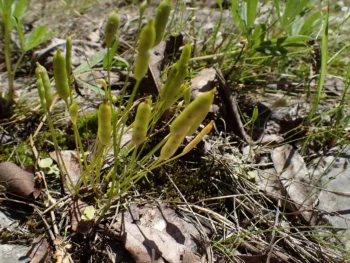
Tennessee Gladecress: A Rare Gem for Native Plant Enthusiasts
If you’re passionate about preserving native flora and have a knack for growing specialty plants, Tennessee gladecress might just capture your heart. This petite annual wildflower represents one of nature’s more exclusive offerings – a plant that’s both beautiful and quite particular about where it calls home.
What Makes Tennessee Gladecress Special?
Tennessee gladecress (Leavenworthia exigua var. exigua) belongs to the mustard family and showcases the classic four-petaled white flowers that make this plant family so recognizable. As an annual forb, it completes its entire life cycle in a single growing season, emerging from seed, flowering, setting seed, and dying back all within one year.
This native wildflower is truly a regional treasure, naturally occurring only in Georgia and Tennessee. It’s perfectly adapted to the unique limestone glade ecosystems of the southeastern United States, where it thrives in conditions that would challenge many other plants.
- Species observed
- No observations
A Word of Caution: Rarity Matters
Before you get too excited about adding this charming wildflower to your garden, there’s something important to consider. Tennessee gladecress has a Global Conservation Status of S4T3, indicating it’s quite rare in the wild. If you’re determined to grow this special plant, please only obtain seeds or plants from reputable native plant nurseries that source their material responsibly – never collect from wild populations.
Is Tennessee Gladecress Right for Your Garden?
This isn’t your typical garden center find, and honestly, that’s part of its appeal. Tennessee gladecress is best suited for:
- Dedicated native plant gardens
- Rock gardens with excellent drainage
- Specialized glade or prairie reconstructions
- Collections focused on rare southeastern flora
If you’re looking for a showy display or easy-care annual, this might not be your best choice. However, if you’re fascinated by botanical rarities and enjoy the challenge of recreating specialized habitats, Tennessee gladecress could be incredibly rewarding.
Growing Conditions: Mimicking Nature’s Blueprint
Success with Tennessee gladecress means understanding its natural habitat preferences:
- Soil: Well-draining, alkaline soils are essential – think limestone-derived or amended with lime
- Sunlight: Full sun to partial shade
- Water: Drought tolerant once established, but appreciates spring moisture
- Hardiness: Suitable for USDA zones 6-8
Planting and Care Tips
Growing Tennessee gladecress requires patience and attention to detail:
- Timing: Direct seed in fall for spring germination
- Seed Treatment: Seeds benefit from cold stratification over winter
- Soil Preparation: Ensure excellent drainage and slightly alkaline pH
- Maintenance: Minimal care needed once established – this plant prefers to be left alone
Wildlife and Pollinator Benefits
Though small, the flowers of Tennessee gladecress provide nectar for various small native bees and other pollinators. As part of a diverse native plant community, it contributes to the complex web of relationships that support local ecosystems.
The Bottom Line
Tennessee gladecress isn’t for everyone, and that’s perfectly okay. This rare native annual is best appreciated by gardeners who understand and respect its specialized needs and conservation status. If you’re committed to growing responsibly sourced plants and creating authentic native habitats, this little wildflower could be a meaningful addition to your collection.
Remember, sometimes the most rewarding garden plants are those that connect us more deeply to our local ecosystems and natural heritage. Tennessee gladecress offers exactly that opportunity – a chance to cultivate something truly special while contributing to native plant conservation efforts.