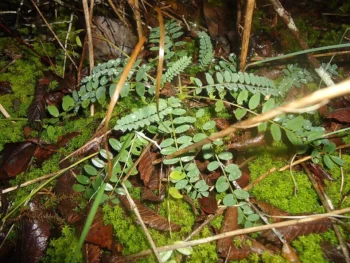
Tennessee Milkvetch: A Rare Native Gem Worth Protecting in Your Garden
If you’re a gardener who loves the thrill of growing something truly special, Tennessee milkvetch (Astragalus tennesseensis) might just be the rare native treasure you’ve been searching for. This delicate perennial legume is one of those blink and you’ll miss it wildflowers that deserves a spotlight – and our protection.
What Makes Tennessee Milkvetch Special?
Tennessee milkvetch is a charming native perennial that produces small, purple to violet pea-like flowers typical of the legume family. Its compound leaves are made up of tiny leaflets that give the plant a delicate, almost ferny appearance. Don’t expect a showstopper here – this is more of a quiet beauty that rewards close observation.
This plant is also known by the synonym Geoprumnon tennesseense, though you’re most likely to find it listed under its current botanical name, Astragalus tennesseensis.
Where Does It Call Home?
Tennessee milkvetch is native to the southeastern United States, with documented populations in Alabama, Illinois, Indiana, Kentucky, and Tennessee. It’s a true regional specialty that has adapted to the specific conditions of this area over thousands of years.
- Species observed
- No observations
The Conservation Reality Check
Here’s where things get serious: Tennessee milkvetch has a Global Conservation Status of S3, meaning it’s considered vulnerable. In Alabama and Tennessee, it’s even rarer with a status of S1S2. This translates to very few populations in the wild, making each plant incredibly precious from a conservation standpoint.
Important: If you’re interested in growing Tennessee milkvetch, please only obtain plants or seeds from reputable native plant nurseries that use responsibly sourced material. Never collect from wild populations – they need every plant they can get!
Growing Tennessee Milkvetch: The Practical Details
Perfect Growing Conditions
- Sunlight: Full sun to partial shade
- Soil: Well-drained soil is essential – this plant hates wet feet
- Climate: Hardy in USDA zones 5-8
- Water: Drought-tolerant once established, typical of many native legumes
Where It Fits in Your Garden
Tennessee milkvetch isn’t your typical border perennial. It’s best suited for:
- Native plant gardens and collections
- Prairie restoration projects
- Rock gardens with excellent drainage
- Specialized wildflower areas
- Conservation-focused landscapes
Planting and Care Tips
Growing Tennessee milkvetch successfully requires understanding its specialized needs:
- Ensure excellent drainage – this is non-negotiable
- If starting from seed, scarification may improve germination rates
- Once established, it requires minimal maintenance
- Avoid over-fertilizing, as many native legumes prefer lean soils
- Be patient – rare native plants often establish slowly but surely
Wildlife and Pollinator Benefits
Like other members of the legume family, Tennessee milkvetch produces flowers that attract native bees and other small pollinators. The plant also fixes nitrogen in the soil, improving growing conditions for neighboring plants – a true team player in the garden ecosystem.
Should You Grow Tennessee Milkvetch?
This isn’t a plant for every gardener or every garden. Consider Tennessee milkvetch if you:
- Are passionate about native plant conservation
- Have the right growing conditions (excellent drainage is key)
- Appreciate subtle, delicate beauty over flashy displays
- Want to support rare native species through responsible cultivation
- Are willing to source plants ethically
Remember, by growing rare native plants like Tennessee milkvetch in our gardens, we’re not just adding something unique to our landscapes – we’re participating in conservation efforts and helping ensure these precious species have a future. Just make sure you’re doing it the right way, with responsibly sourced material and proper growing conditions.
Tennessee milkvetch may be small and subtle, but its conservation value is enormous. For the right gardener in the right location, it’s a meaningful addition that connects your garden to the irreplaceable natural heritage of the southeastern United States.