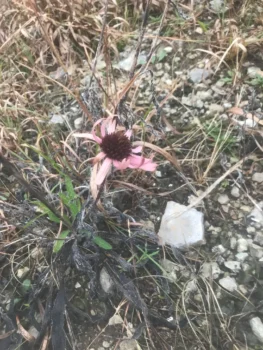
Tennessee Purple Coneflower: A Rare Gem Worth Protecting in Your Garden
Meet the Tennessee purple coneflower (Echinacea tennesseensis), a stunning wildflower that’s as rare as it is beautiful. This remarkable native perennial holds the distinction of being found naturally in just one state—Tennessee—making it one of America’s most geographically restricted wildflowers.
Why This Purple Beauty Deserves Your Attention
The Tennessee purple coneflower isn’t your average garden flower. With its vibrant purple-pink petals radiating from a prominent orange-brown central cone, this perennial forb creates an eye-catching display that pollinators absolutely adore. Standing as a testament to Tennessee’s unique botanical heritage, this plant represents something truly special in the world of native gardening.
A Rare Treasure With a Critical Conservation Status
Important Conservation Notice: Before falling in love with this plant, it’s crucial to understand that Echinacea tennesseensis has a Global Conservation Status of S2, meaning it’s imperiled due to extreme rarity. With typically only 6 to 20 occurrences and few remaining individuals in the wild, this species faces significant vulnerability to extinction.
If you’re considering adding this rare beauty to your garden, please ensure you source it only from reputable nurseries that use responsibly propagated material—never collect from wild populations.
Where in the World Does It Grow?
The Tennessee purple coneflower is endemic to Tennessee, making it a true state treasure. This narrow geographical distribution contributes to its rarity and makes it especially precious for Tennessee gardeners looking to showcase their state’s unique natural heritage.
- Species observed
- No observations
Garden Design and Landscape Role
In the garden, Tennessee purple coneflower serves multiple roles:
- Specimen plant: Its rarity and beauty make it a conversation starter
- Pollinator magnet: Bees, butterflies, and other beneficial insects flock to its blooms
- Conservation statement: Growing it helps preserve genetic diversity
- Native plant garden centerpiece: Perfect for authentic regional landscapes
Perfect Garden Settings
This special coneflower thrives in:
- Native plant gardens
- Pollinator-focused landscapes
- Wildflower meadows
- Conservation gardens
- Educational or demonstration gardens
Growing Conditions and Care
Despite its rarity, Tennessee purple coneflower is surprisingly adaptable once established:
- Sunlight: Full sun (6+ hours daily)
- Soil: Well-draining soil; adaptable to various soil types
- Water: Drought tolerant once established
- USDA Hardiness Zones: 5-8
Planting and Care Tips
Successfully growing this rare treasure requires attention to a few key details:
- Timing: Plant in spring after the last frost
- Spacing: Allow adequate space for air circulation
- Watering: Water regularly during establishment, then reduce frequency
- Maintenance: Deadhead spent blooms to encourage continued flowering
- Winter care: Leave seed heads for birds and cut back in late winter
Pollinator and Wildlife Benefits
While specific wildlife data for this species is limited, like other Echinacea species, Tennessee purple coneflower likely provides:
- Nectar for bees, butterflies, and other pollinators
- Seeds for goldfinches and other birds
- Habitat for beneficial insects
The Bottom Line: Should You Grow It?
Absolutely—but with responsibility. Growing Tennessee purple coneflower in your garden serves a dual purpose: you get to enjoy a stunning, rare native flower while participating in conservation efforts. Just remember to source your plants ethically and never collect from wild populations.
This remarkable perennial proves that sometimes the rarest flowers make the most meaningful additions to our gardens. By choosing to grow Tennessee purple coneflower, you’re not just gardening—you’re helping preserve a piece of America’s botanical heritage for future generations.