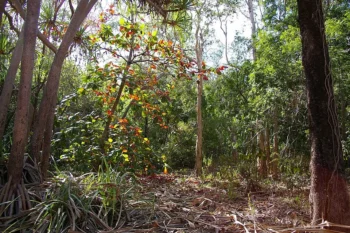
Terminalia samoensis: A Lesser-Known Pacific Native Worth Knowing
If you’re passionate about native plants and happen to garden in the Pacific region, you might have stumbled across the name Terminalia samoensis. This perennial tree species is one of those quiet natives that doesn’t get much fanfare, but deserves a spot in the conversation about Pacific island gardening.
What Makes This Tree Special?
Terminalia samoensis is a true Pacific native, naturally occurring in the Pacific Basin (though notably not in Hawaii). This tree species calls Guam and Palau home, making it a genuine local for gardeners in these areas. As a perennial woody plant, it’s built for the long haul – the kind of tree that can anchor a landscape for generations.
Like most trees in its family, Terminalia samoensis typically grows as a single-stemmed specimen that can reach impressive heights of 13-16 feet or more. However, don’t be surprised if environmental conditions encourage it to develop a more compact, multi-stemmed growth pattern – trees are wonderfully adaptable that way!
- Species observed
- No observations
Should You Plant Terminalia samoensis?
Here’s where things get interesting (and a bit challenging). While this tree has clear native credentials for Pacific island gardeners, detailed information about its specific growing requirements, appearance, and garden performance is surprisingly scarce. This isn’t uncommon with lesser-known native species – sometimes the most valuable plants are the ones that haven’t made it into every gardening guide.
What We Do Know About Growing Conditions
The available information gives us some helpful clues about this tree’s preferences:
- Wetland tolerance: In the Hawaii region, it’s classified as facultative, meaning it’s equally happy in wet or dry conditions – quite the flexible performer!
- Growth habit: Expect a tree form, though size may vary based on your specific growing conditions
- Duration: As a perennial, it’s a permanent landscape addition
The Native Plant Advantage
Choosing native species like Terminalia samoensis comes with built-in benefits. Native plants are naturally adapted to local climate conditions, typically require less water once established, and support local ecosystems in ways that non-native plants simply can’t match. While we don’t have specific details about this tree’s wildlife benefits, most native trees provide some combination of shelter, nesting sites, or food sources for local fauna.
A Word of Caution (and Opportunity)
If you’re considering adding Terminalia samoensis to your landscape, you’ll likely need to do some detective work. Contact local native plant societies, botanical gardens, or extension services in Guam or Palau for more specific growing guidance and potential sources.
The limited available information also presents an opportunity – you could become one of the gardeners who helps document this species’ garden performance and growing requirements for future native plant enthusiasts!
The Bottom Line
Terminalia samoensis represents the fascinating world of lesser-known native plants. While we’d love to give you a complete growing guide, sometimes the most rewarding gardening adventures involve a bit of exploration and experimentation with species that haven’t been thoroughly catalogued by the horticultural world.
If you’re in its native range and interested in supporting local biodiversity, this tree deserves consideration – just be prepared to become part of its gardening story rather than simply following an established playbook.