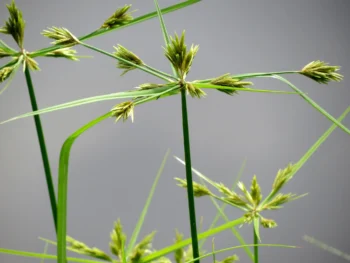
Texan Flatsedge: A Native Sedge Worth Knowing
Meet the Texan flatsedge, a humble yet important native plant that’s been quietly gracing American landscapes from coast to coast. While it might not win any flashy flower contests, this unassuming sedge has earned its place in the hearts of native plant enthusiasts and ecological gardeners alike.
What Exactly Is Texan Flatsedge?
Texan flatsedge (Cyperus polystachyos var. texensis) is a grass-like plant that belongs to the sedge family. Don’t let the name fool you – while it’s called Texan, this adaptable native actually calls much more than the Lone Star State home. You might also see it listed under several botanical synonyms in older references, including Cyperus holosericeus and Cyperus microdontus.
This plant can be either annual or perennial, giving it flexibility in different growing conditions and climates. As a true sedge, it’s part of that wonderful group of plants that look like grass but offer so much more ecological value.
Where Does Texan Flatsedge Call Home?
Despite its name, Texan flatsedge has quite the travel resume! This native species naturally occurs across an impressive range of states:
- Southeastern states: Alabama, Arkansas, Florida, Georgia, Kentucky, Louisiana, Mississippi, North Carolina, South Carolina, Tennessee, Virginia, West Virginia
- Mid-Atlantic region: Delaware, District of Columbia, Maryland, New Jersey, Pennsylvania
- Northeast: Maine, Massachusetts, New York
- South-central: Missouri, Oklahoma, Texas
- Pacific: Hawaii
From the humid Southeast to the rocky Northeast coast, and even making its way to tropical Hawaii, this sedge has proven its adaptability across diverse American landscapes.
- Species observed
- No observations
A Word of Caution: Rarity Matters
Before you rush out to find Texan flatsedge for your garden, there’s something important to know. In New Jersey, particularly along the coast, this species is listed as Endangered with an S1 rarity status. This means it’s extremely rare in that region and needs our protection.
If you’re interested in growing Texan flatsedge, please make sure you’re sourcing it responsibly. Look for reputable native plant nurseries that propagate their plants rather than collecting from wild populations. Never collect plants from the wild, especially in areas where they might be rare or endangered.
Why Consider Texan Flatsedge for Your Garden?
You might wonder why you’d want to add a sedge to your landscape. While we don’t have complete information about all its garden benefits, native sedges like Texan flatsedge typically offer several advantages:
- Ecological support: Native plants provide food and habitat for local wildlife
- Low maintenance: Once established, native plants typically require less water and care
- Authentic landscapes: Using native plants helps create gardens that reflect your local ecosystem
- Soil stabilization: Sedges often have excellent root systems for preventing erosion
Growing Texan Flatsedge Successfully
Unfortunately, specific growing information for this particular variety is limited in our current resources. However, based on its wide natural distribution, Texan flatsedge appears to be quite adaptable to different conditions.
If you’re interested in growing this species, your best bet is to:
- Contact local native plant societies for region-specific advice
- Consult with native plant nurseries in your area
- Observe where it grows naturally in your region (if present)
- Start with small plantings to learn its preferences in your specific garden conditions
The Bottom Line
Texan flatsedge represents the quiet heroes of the native plant world – species that may not grab headlines but play important roles in their ecosystems. While we’d love to have more detailed growing information to share, the plant’s wide natural range suggests it could be a valuable addition to appropriate native gardens.
If you decide to grow Texan flatsedge, remember to source it responsibly and consider it as part of a broader native plant garden that supports local wildlife and reflects your region’s natural heritage. Sometimes the most rewarding plants are the ones that teach us patience and respect for the intricate web of native ecosystems.
Have you encountered Texan flatsedge in the wild or grown it in your garden? We’d love to hear about your experiences with this intriguing native sedge!