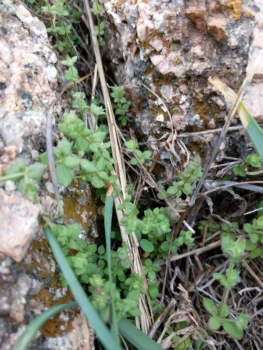
Texas Bedstraw: A Rare Native Gem Worth Preserving in Your Garden
If you’re looking to add a touch of delicate beauty to your native plant garden while supporting conservation efforts, Texas bedstraw might just be the perfect choice. This charming little wildflower may not be the showiest plant in your garden, but what it lacks in drama, it more than makes up for in ecological value and subtle charm.
What is Texas Bedstraw?
Texas bedstraw (Galium texense) is an annual forb native to the south-central United States. As a member of the coffee family, this petite wildflower produces clusters of tiny white flowers that seem to float above its delicate foliage. The plant gets its bedstraw name from the historical use of related Galium species as stuffing for mattresses – though we don’t recommend trying that at home!
Where Does Texas Bedstraw Grow?
This native beauty calls Arkansas, Oklahoma, and Texas home, thriving in the unique ecosystems of the south-central United States. However, Texas bedstraw has become increasingly uncommon, earning a rarity status of S1 in both Arkansas and Texas, meaning it’s critically imperiled in these states.
- Species observed
- No observations
Why You Should (Carefully) Consider Growing Texas Bedstraw
Important Conservation Note: Before we dive into the growing details, it’s crucial to understand that Texas bedstraw is a rare plant. If you choose to grow it, please ensure you’re using responsibly sourced seeds or plants from reputable native plant nurseries that practice ethical collection methods.
Here’s why this little plant deserves a spot in conservation-minded gardens:
- Supports native pollinators with its small but abundant flowers
- Adds delicate texture to naturalized areas and wildflower meadows
- Helps preserve genetic diversity of rare native species
- Requires minimal maintenance once established
- Perfect for gardeners interested in growing truly local flora
Growing Conditions and Care
Texas bedstraw is surprisingly adaptable for such a rare plant. Here’s what it needs to thrive:
Light Requirements: Partial shade to full sun – it’s quite flexible!
Soil Needs: Well-draining soil is essential. This plant doesn’t like to have wet feet, so avoid heavy clay or constantly moist areas.
USDA Hardiness Zones: 6-9, making it suitable for much of the southern and central United States.
Watering: Once established, Texas bedstraw is relatively drought-tolerant. Water during establishment, then let nature take the wheel.
Planting and Propagation Tips
As an annual, Texas bedstraw completes its entire life cycle in one growing season, which means you’ll need to think about seed production and collection:
- Direct seed in fall for spring germination
- Scatter seeds in prepared soil and lightly rake in
- Allow some plants to go to seed for next year’s generation
- Consider collecting seeds responsibly to share with other conservation-minded gardeners
Design Ideas and Garden Placement
Texas bedstraw works beautifully in:
- Native plant gardens focused on local flora
- Wildflower meadows and naturalized areas
- Understory plantings beneath native trees
- Rain gardens (if drainage is adequate)
- Conservation gardens dedicated to rare species
Its delicate appearance makes it an excellent companion for other native wildflowers, and its low-growing habit won’t compete with showier bloomers.
Pollinator and Wildlife Benefits
Despite its small size, Texas bedstraw pulls its weight in supporting local ecosystems. The tiny white flowers attract small native bees and other beneficial insects, while the seeds may provide food for small birds and other wildlife.
The Bottom Line
Texas bedstraw may not be the easiest native plant to find, but for gardeners committed to conservation and supporting rare native species, it’s absolutely worth the effort. Just remember to source it responsibly and consider yourself a steward of this beautiful but vulnerable plant. Every garden that hosts Texas bedstraw becomes a small sanctuary for preserving our native botanical heritage.
By choosing to grow rare natives like Texas bedstraw, you’re not just creating a beautiful garden – you’re participating in conservation right in your own backyard. And honestly, isn’t that the kind of gardening legacy we all want to leave behind?