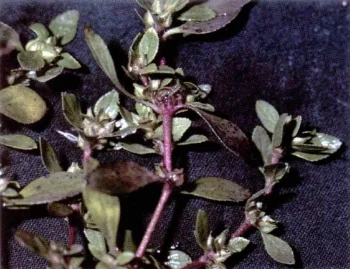
Texas Bergia: A Tiny Native Wetland Specialist You Probably Shouldn’t Plant
If you’re looking for a showstopping native plant to jazz up your flower beds, Texas bergia (Bergia texana) probably isn’t your answer. This diminutive annual herb is one of those blink and you’ll miss it natives that serves a very specific ecological purpose but won’t win any beauty contests in your typical garden setting.
What Exactly Is Texas Bergia?
Texas bergia is a native annual plant that belongs to a small family of wetland specialists. Despite its common name suggesting a Texas origin, this little plant actually calls 17 states home, stretching from California and Oregon in the west to Arkansas and Louisiana in the south, and up through the Great Plains to Montana and South Dakota.
You might also see this plant referenced by its synonym, Elatine texana, in older botanical literature. But regardless of what you call it, Texas bergia remains one of nature’s more humble offerings.
- Species observed
- No observations
Why Most Gardeners Should Skip This One
Here’s the thing about Texas bergia – it’s basically the wallflower of the plant world. This tiny annual produces flowers so small you’ll need a magnifying glass to appreciate them, and its overall appearance is, well, let’s call it understated. But the real reason most gardeners should pass on this plant has nothing to do with looks.
Texas bergia is what botanists call an obligate wetland species. This means it almost always occurs in wetlands – think pond edges, seasonal pools, and marshy areas. Across every region where it grows, from the Arid West to the Atlantic and Gulf Coastal Plain, this plant demands consistently wet conditions that most home gardens simply can’t provide.
A Word About Rarity
Before you get any ideas about tracking down seeds, here’s something important to know: Texas bergia has a rarity status of S2 in Arkansas, meaning it’s considered imperiled in that state. If you’re determined to grow this plant, make absolutely sure you’re sourcing seeds or plants from reputable suppliers who collect responsibly and legally.
Growing Texas Bergia (If You Really Must)
So, you’ve got a wetland restoration project or a pond that needs some native edge plants? Texas bergia might actually be perfect for you. Here’s what this little water-lover needs:
Growing Conditions
- Moisture: Consistently wet to saturated soils – this is non-negotiable
- Sun: Full sun to partial shade
- Soil: Any soil type, as long as it stays wet
- Hardiness: As an annual, it completes its life cycle in one growing season across its range
Planting and Care
The good news? If you’ve got the right wet conditions, Texas bergia is remarkably low-maintenance. Direct seed in early spring in wet soil areas. Once established, it pretty much takes care of itself, completing its annual cycle and hopefully self-seeding for the following year.
Don’t expect much in terms of pollinator appeal – while the tiny flowers might attract some small insects, this isn’t a plant you’d choose specifically for supporting pollinators.
The Bottom Line
Texas bergia is one of those plants that’s fascinating from an ecological perspective but practically useless for most home gardening situations. Unless you’re working on wetland restoration, managing a pond ecosystem, or studying native plant communities, you’re probably better off choosing other native plants that offer more garden value.
If you’re passionate about supporting native plants but have typical garden conditions, consider other native alternatives that are more adaptable and offer better ornamental value while still supporting local ecosystems. Save Texas bergia for the wetland specialists – it’ll be much happier there anyway.