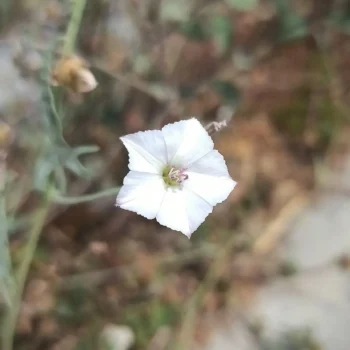
Texas Bindweed: A Rare Native Ground Cover Worth Protecting
If you’re searching for a native ground cover that supports local wildlife while requiring minimal care, Texas bindweed (Convolvulus equitans) might be exactly what you need. This charming member of the morning glory family offers delicate beauty and ecological benefits, though its rarity means you’ll need to source it responsibly.
What is Texas Bindweed?
Texas bindweed is a native forb that grows as either an annual or perennial, depending on conditions. Unlike its woody cousins, this herbaceous plant stays low to the ground, creating a trailing carpet of foliage topped with small, funnel-shaped flowers. Don’t let the bindweed name scare you off – this native species is a well-behaved garden citizen, quite different from its aggressive non-native relatives.
Where Does Texas Bindweed Grow Naturally?
This native beauty calls the American Southwest and South-Central regions home, naturally occurring in Alabama, Arizona, Arkansas, California, Colorado, Kansas, Nebraska, New Mexico, Oklahoma, Texas, and Utah. It’s perfectly adapted to the challenging growing conditions of these areas, making it an excellent choice for regional native plant gardens.
- Species observed
- No observations
A Plant Worth Protecting
Here’s something important to know: Texas bindweed is considered vulnerable, with a global conservation status of S3. In Arkansas and Texas, it’s even rarer with an S1 status. This means if you’re lucky enough to find this plant for your garden, make sure you’re purchasing from reputable native plant nurseries that propagate their own stock rather than wild-collecting.
Why Grow Texas Bindweed?
Despite its rarity (or perhaps because of it), Texas bindweed offers several compelling reasons to include it in your landscape:
- Wildlife Support: Large animals and terrestrial birds rely on this plant for 5-10% of their diet, making it a valuable food source in native ecosystems
- Pollinator Friendly: The small flowers attract native bees and other beneficial insects
- Low Maintenance: Once established, it’s quite drought tolerant and requires minimal care
- Conservation Value: Growing rare natives helps preserve genetic diversity and supports conservation efforts
- Regional Authenticity: It’s perfectly suited to southwestern and south-central landscapes
Perfect Garden Settings
Texas bindweed shines in several garden styles:
- Native plant gardens and prairies
- Xeriscape and drought-tolerant landscapes
- Wildlife habitat gardens
- Naturalized areas where a informal look is desired
- Ground cover in challenging, dry locations
Growing Conditions and Care
One of the best things about Texas bindweed is its easygoing nature. This plant typically thrives in USDA hardiness zones 7-10, matching its native range perfectly.
Preferred Growing Conditions:
- Sunlight: Full sun to partial shade
- Soil: Well-draining soils (it has facultative upland status, meaning it prefers non-wetland conditions)
- Water: Drought tolerant once established, though it appreciates occasional watering during extreme dry spells
- Maintenance: Minimal – this is a plant-it-and-forget-it kind of native
Planting and Care Tips
Since growing information for this rare species is limited, follow these general guidelines for success:
- Plant in spring after the last frost date
- Ensure good drainage – soggy soils are this plant’s enemy
- Water regularly the first growing season to establish roots
- Once established, water only during prolonged dry periods
- Allow the plant to self-seed if you want it to naturalize
- Avoid heavy fertilization, which can reduce flowering
A Few Important Notes
Before adding Texas bindweed to your garden, remember that responsible sourcing is crucial due to its vulnerable status. Never collect from wild populations, and always purchase from nurseries that grow their own stock. While we don’t know its invasive status in non-native regions, its natural behavior suggests it’s unlikely to become problematic – but always check with local extension services if you’re planting outside its native range.
The Bottom Line
Texas bindweed offers native plant enthusiasts a chance to grow something truly special while supporting local wildlife and conservation efforts. Its low-maintenance nature and ecological benefits make it worth seeking out, just remember to source it responsibly. In a world where so many gardens feature the same common plants, wouldn’t it be wonderful to help preserve something rare and regionally important?