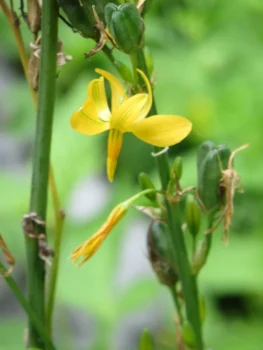
Texas Craglily: A Hidden Gem on the Brink of Disappearance
Meet the Texas craglily (Echeandia texensis), one of the Lone Star State’s best-kept botanical secrets – and unfortunately, one of its most endangered treasures. This rare native perennial is so elusive that most gardeners have never heard of it, let alone seen one growing in the wild.
What Makes Texas Craglily Special?
The Texas craglily belongs to a fascinating group of plants known as forbs – essentially herbaceous flowering plants that lack woody stems. As a perennial, this plant would theoretically return year after year, forming a persistent presence in its native habitat. The craglily name hints at its likely preference for rocky, challenging terrain where few other plants dare to grow.
A True Texas Native
This remarkable plant is endemic to Texas, meaning it exists nowhere else on Earth. Echeandia texensis represents the unique botanical heritage of the region, having evolved specifically to thrive in the particular conditions found within the state’s diverse landscapes.
- Species observed
- No observations
The Rarity Reality Check
Here’s the important part every gardener needs to know: Texas craglily carries a Global Conservation Status of S1, which translates to Critically Imperiled. This designation means we’re talking about a species with typically five or fewer known occurrences and fewer than 1,000 individual plants remaining in the wild. In botanical terms, this plant is hanging on by a thread.
Should You Grow Texas Craglily?
This is where things get complicated. While supporting native plants is always admirable, Texas craglily presents a unique ethical dilemma for gardeners:
- Extreme rarity: With so few plants left in the wild, any collection could impact wild populations
- Limited availability: You’re unlikely to find this plant at any nursery or seed supplier
- Unknown cultivation requirements: Without established growing guidelines, success would be uncertain
Our recommendation: If you ever encounter Texas craglily for sale, only purchase from sources that can guarantee responsibly collected seeds or ethically propagated plants that don’t impact wild populations. However, such sources are extremely rare.
Supporting Conservation Instead
Rather than trying to grow this endangered beauty, consider these meaningful alternatives:
- Support Texas native plant conservation organizations
- Choose other Texas native plants that aren’t critically endangered
- Participate in native plant habitat restoration projects
- Spread awareness about rare plant conservation
The Mystery of Growing Conditions
Unfortunately, detailed information about Texas craglily’s specific growing requirements remains largely unknown – another consequence of its rarity. We can assume it’s adapted to Texas conditions and likely prefers the rocky, challenging environments suggested by its common name, but without more research, successful cultivation would be largely guesswork.
A Call for Conservation
Texas craglily serves as a powerful reminder that even in our own backyards, remarkable plants teeter on the edge of extinction. While we may not be able to grow this particular species in our gardens, we can honor its existence by becoming better stewards of native plant diversity and supporting the conservation efforts working to ensure species like Echeandia texensis don’t disappear forever.
Sometimes the most important plants are the ones we protect rather than plant – and Texas craglily definitely falls into that category.