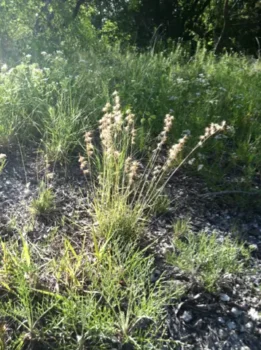
Texas Grama: A Rare Native Grass Worth Protecting in Your Garden
Meet Texas grama (Bouteloua rigidiseta), a delicate perennial grass that’s as beautiful as it is ecologically important. This native beauty might not be the showiest plant in your garden, but it plays a crucial role in supporting local ecosystems while adding subtle charm to naturalized landscapes.
Where Does Texas Grama Call Home?
Texas grama is native to the lower 48 states, with populations naturally occurring across Arkansas, Louisiana, Massachusetts, Oklahoma, and Texas. Despite its name suggesting a strong Texas connection, this grass has a surprisingly scattered distribution pattern across these southeastern and south-central states.
- Species observed
- No observations
A Word of Caution: Rarity Matters
Before you rush to add Texas grama to your shopping list, there’s something important you need to know. This grass has a rarity status of S1 in both Arkansas and Texas, meaning it’s critically imperiled in these states. This designation indicates that the species faces a high risk of extinction due to very few populations or occurrences.
If you’re interested in growing Texas grama, please only source it from reputable native plant nurseries that propagate their stock responsibly rather than collecting from wild populations. Better yet, consider supporting local conservation efforts that protect existing populations.
Why Choose Texas Grama?
Despite its rarity concerns, Texas grama offers several benefits for the right gardener:
- True native status supports local ecosystems
- Perennial growth provides year-round structure
- Low maintenance once established
- Adds authentic texture to prairie and naturalized gardens
- Provides habitat structure for beneficial insects
Garden Design and Landscape Role
Texas grama works best in naturalized settings where its fine texture and subtle beauty can shine. Consider it for:
- Native plant gardens focused on regional flora
- Prairie restoration projects
- Naturalized areas where you want authentic native character
- Educational gardens showcasing rare native species
This isn’t a grass for formal lawns or high-traffic areas. Instead, think of it as a specialty plant that adds ecological authenticity to conservation-minded landscapes.
Growing Conditions and Care
While specific growing requirements for Texas grama aren’t extensively documented, most Bouteloua species share similar preferences:
- Full sun exposure
- Well-draining soils
- Moderate to low water needs once established
- Tolerance for poor soils
As a native grass adapted to variable conditions across its range, Texas grama is likely suitable for USDA hardiness zones 7-10, though local climate variations may affect its performance.
Planting and Care Tips
If you do decide to grow Texas grama, keep these guidelines in mind:
- Source plants only from reputable native plant nurseries
- Plant in spring after the last frost
- Provide occasional water during establishment
- Once established, this grass should be quite drought tolerant
- Minimal fertilization needed – native grasses prefer lean soils
- Allow natural dormancy cycles
The Conservation Connection
Growing Texas grama isn’t just about adding another plant to your garden – it’s about participating in conservation. By choosing responsibly sourced native plants, especially rare ones like Texas grama, you’re supporting nurseries that prioritize conservation over convenience.
Consider this grass if you’re passionate about native plant conservation and want to grow something truly special. Just remember: with great rarity comes great responsibility to source ethically and support conservation efforts.
Is Texas Grama Right for You?
Texas grama is perfect for gardeners who prioritize native plant conservation and want to grow something unique and ecologically meaningful. However, it’s not the right choice if you’re looking for a low-commitment ornamental grass or something readily available at your local garden center.
If you’re committed to supporting native plant conservation and have access to responsibly sourced plants, Texas grama can be a meaningful addition to your native plant collection.