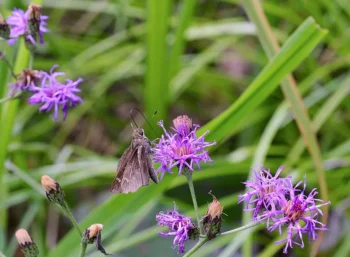
Texas Ironweed: A Native Powerhouse for Late-Season Color
If you’re looking for a native plant that delivers stunning late-summer blooms while supporting local wildlife, Texas ironweed might just be your new garden favorite. This hardy perennial brings vibrant purple flowers to the landscape when many other plants are winding down for the season.
What is Texas Ironweed?
Texas ironweed (Vernonia texana) is a native perennial forb that belongs to the sunflower family. As a herbaceous plant without woody stems, it dies back to the ground each winter and returns with fresh growth in spring. This reliable performer has earned its place in native plant gardens across the South-Central United States.
Where Does It Naturally Grow?
This beautiful native calls the south-central United States home, naturally occurring in Texas, Oklahoma, Arkansas, Louisiana, and Mississippi. Its native range makes it perfectly adapted to the climate and growing conditions of these regions.
- Species observed
- No observations
Why Plant Texas Ironweed?
There are several compelling reasons to consider adding this native beauty to your landscape:
- Pollinator magnet: The purple flower clusters are irresistible to butterflies, bees, and other beneficial insects
- Late-season color: Blooms when many other plants are fading, extending your garden’s interest
- Low maintenance: Once established, it’s quite drought tolerant and requires minimal care
- Native plant benefits: Supports local ecosystems and wildlife
- Naturalized look: Perfect for prairie-style gardens and naturalized landscapes
Garden Design and Landscape Use
Texas ironweed works wonderfully as a background plant in mixed borders, where its height provides structure behind shorter perennials. It’s particularly at home in:
- Prairie and meadow gardens
- Native plant landscapes
- Pollinator gardens
- Naturalized areas
- Wildlife gardens
Growing Conditions and Care
The good news is that Texas ironweed isn’t fussy about growing conditions. Here’s what it prefers:
- Sunlight: Full sun for best flowering
- Soil: Well-drained soils; adaptable to various soil types
- Water: Drought tolerant once established, though regular water during establishment helps
- Hardiness: Thrives in USDA zones 6-9
Planting and Care Tips
Getting Texas ironweed established in your garden is straightforward:
- Plant in spring after the last frost
- Space plants 2-3 feet apart to allow for mature spread
- Water regularly during the first growing season
- In rich soils, plants may grow quite tall and benefit from staking
- Deadhead spent flowers to prevent excessive self-seeding if desired
- Cut back to ground level in late fall or early spring
Special Considerations
Texas ironweed has a wetland status of Facultative Upland, meaning it usually grows in non-wetland areas but can occasionally be found in wetland settings. This adaptability makes it suitable for a range of garden conditions, though it generally prefers well-drained sites.
The Bottom Line
Texas ironweed is an excellent choice for gardeners seeking native plants that support local wildlife while providing beautiful late-season color. Its low-maintenance nature and pollinator appeal make it a valuable addition to naturalized gardens and native plant landscapes. If you’re gardening within its native range, this hardy perennial deserves serious consideration for your next planting project.