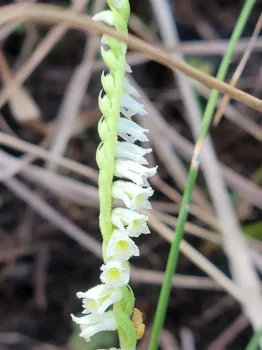
Texas Lady’s Tresses: A Rare Native Orchid Worth Protecting
If you’ve ever dreamed of growing native orchids in your garden, Texas lady’s tresses might just capture your imagination. This delicate perennial orchid, scientifically known as Spiranthes brevilabris, is one of those special plants that makes you stop and appreciate nature’s intricate beauty. But before you start planning where to plant it, there’s an important conservation story you need to know.
What Makes Texas Lady’s Tresses Special?
Texas lady’s tresses is a native North American orchid that belongs to the forb family – essentially a non-woody flowering plant. What sets this little beauty apart is its distinctive spiral arrangement of tiny white flowers that climb up a slender stem, creating what looks like nature’s own DNA helix. The flowers typically bloom in late summer to early fall, adding a touch of elegance to the landscape when many other plants are winding down for the season.
Where You’ll Find This Native Gem
This orchid calls the southeastern United States home, naturally occurring in Florida, Georgia, Louisiana, Mississippi, and Texas. It’s a true southern belle that has adapted to the unique conditions of this region over thousands of years.
- Species observed
- No observations
The Conservation Reality Check
Here’s where things get serious, fellow gardeners. Texas lady’s tresses has a Global Conservation Status of S1S2, which means it’s considered rare and potentially vulnerable. This isn’t a plant you’ll find at your local nursery, and for good reason – wild populations need protection.
If you’re determined to grow this orchid, please only source it from reputable native plant nurseries that grow it from ethically collected seed or tissue culture. Never dig plants from the wild – this threatens already fragile populations.
Growing Conditions: What This Orchid Craves
Texas lady’s tresses has some pretty specific preferences that reflect its natural habitat:
- Moisture: It’s classified as a facultative wetland plant, meaning it usually prefers consistently moist to wet soils
- Light: Full sun to partial shade works best
- Climate: Thrives in USDA hardiness zones 8-10
- Soil: Prefers sandy or organic soils that don’t dry out completely
The Challenge of Growing Native Orchids
Let’s be honest – growing native orchids isn’t like planting marigolds. These plants have complex relationships with soil fungi (mycorrhizae) that are essential for their survival. Without these fungal partners, the orchid simply can’t thrive. This makes them notoriously difficult to establish in typical garden settings.
Garden Design: Where It Fits Best
If you do manage to source Texas lady’s tresses responsibly, it works beautifully in:
- Native plant gardens focused on southeastern flora
- Prairie or grassland restorations
- Rain gardens or bioswales
- Wetland margin plantings
- Specialized orchid collections
Supporting Pollinators and Wildlife
While small in stature, Texas lady’s tresses punches above its weight in supporting local ecosystems. The flowers attract small native bees and other beneficial insects that have co-evolved with this plant. By supporting native orchids, you’re helping maintain the intricate web of relationships that keep our ecosystems healthy.
The Bottom Line for Gardeners
Texas lady’s tresses represents both an opportunity and a responsibility. It’s a chance to grow something truly special and support native biodiversity, but it comes with the obligation to source plants ethically and understand their complex needs.
For most gardeners, appreciating this orchid in its natural habitat or supporting conservation efforts might be more realistic than trying to grow it at home. If you’re set on native orchids, consider working with local native plant societies or botanical gardens that can guide you toward more readily available species.
Remember, every native plant we protect and properly cultivate is a small victory for biodiversity. Texas lady’s tresses may be challenging, but it’s exactly these kinds of unique species that make native gardening such a rewarding adventure.