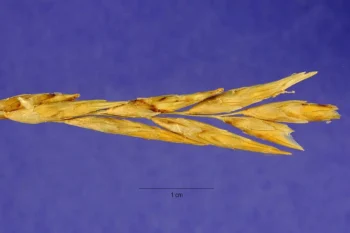
Texas Salt: A Rare Native Grass Worth Protecting
If you’re passionate about native plants and conservation, you might have stumbled across the name Texas salt (Allolepis texana) in your research. This unassuming grass might not win any beauty contests, but it holds a special place in Texas’s natural heritage – and unfortunately, it’s becoming increasingly rare.
What is Texas Salt?
Texas salt is a perennial grass native exclusively to the Lone Star State. This grass-like plant belongs to a group that includes true grasses, sedges, and rushes. You might also see it referred to by its scientific synonym, Distichlis texana, in older botanical references.
What makes this plant particularly noteworthy isn’t its showiness – it’s its rarity. Texas salt currently holds a Global Conservation Status of S2, meaning it’s considered Imperiled. This classification indicates that the species faces extreme rarity, with typically only 6 to 20 occurrences remaining and just 1,000 to 3,000 individual plants left in the wild.
Where Does Texas Salt Grow?
As its common name suggests, Texas salt is found only in Texas. This endemic species has adapted to specific conditions within the state, making it a true Texas original that exists nowhere else on Earth.
- Species observed
- No observations
Should You Plant Texas Salt in Your Garden?
Here’s where things get a bit complicated – and important. While Texas salt would make a meaningful addition to any native plant garden, its imperiled status means we need to approach cultivation very carefully.
The conservation angle: If you’re interested in growing Texas salt, you absolutely should – but only with responsibly sourced material. This means:
- Purchasing from reputable native plant nurseries that propagate from legally collected seeds
- Never collecting plants or seeds from wild populations
- Considering your garden as part of a conservation effort
Growing Conditions and Care
Texas salt is quite the adaptable little grass when it comes to moisture. It holds a Facultative wetland status in both the Arid West and Great Plains regions, meaning it’s equally happy in wet and dry conditions. This flexibility likely helped it survive in Texas’s variable climate – at least until human activities began impacting its habitat.
While specific cultivation information is limited due to the plant’s rarity, we can make some educated guesses based on its natural habitat and related species:
- Likely tolerates salt and alkaline conditions (hence the salt in its common name)
- Probably adapted to Texas heat and drought conditions
- May prefer full sun to partial shade
- Potentially suitable for USDA hardiness zones typical of Texas (likely 8-10)
The Bigger Picture: Why Rare Plants Matter
You might wonder why anyone should care about one little grass species. Here’s the thing – every plant plays a role in its ecosystem, and once it’s gone, that role disappears forever. Texas salt represents thousands of years of adaptation to Texas’s unique conditions. It’s a living piece of the state’s natural history.
By growing rare native plants like Texas salt in our gardens, we’re creating insurance populations that could potentially help the species recover. We’re also preserving genetic diversity and supporting the broader ecosystem.
Finding Texas Salt
Don’t expect to find Texas salt at your local garden center – its rarity means it’s not commonly available. Your best bet is to contact:
- Native plant societies in Texas
- Specialized native plant nurseries
- Conservation organizations working on Texas prairie restoration
- Botanical gardens with native plant programs
The Bottom Line
Texas salt might not be the flashiest addition to your native plant garden, but it’s certainly one of the most meaningful. If you can source it responsibly, growing this rare Texas endemic is a way to participate in conservation right in your own backyard. Just remember – with great rarity comes great responsibility. Make sure any Texas salt in your garden represents hope for the species’ future, not additional pressure on its wild populations.
Sometimes the most important plants aren’t the prettiest ones – they’re the ones that need our help the most.