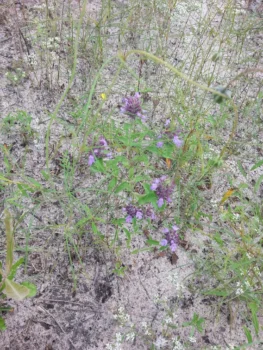
Texas Sandmint: A Mysterious Native Gem Worth Protecting
If you’re a native plant enthusiast always on the lookout for something truly special, Texas sandmint (Rhododon ciliatus) might just capture your imagination. This annual forb represents one of those botanical mysteries that makes native gardening so fascinating – and occasionally frustrating.
What Makes Texas Sandmint Special
Texas sandmint is a native annual plant that belongs to the forb family – essentially a non-woody flowering plant that completes its entire life cycle in one growing season. As a true Texas native, this plant has evolved specifically to thrive in the Lone Star State’s unique conditions, making it a valuable addition to authentic native landscapes.
Where You’ll Find Texas Sandmint
This plant calls Texas home and is found nowhere else in the United States. Its limited geographic distribution contributes to its special status among native plant enthusiasts who appreciate truly regional species.
- Species observed
- No observations
A Plant That Needs Our Help
Here’s where things get serious: Texas sandmint has a Global Conservation Status of S3, meaning it’s considered vulnerable. With typically only 21 to 100 occurrences or between 3,000 and 10,000 individuals remaining, this plant is genuinely rare. It’s vulnerable either because it’s very rare throughout its range or found only in restricted areas, making it susceptible to disappearing entirely.
If you’re considering adding Texas sandmint to your garden, please only source it responsibly. This means:
- Purchase from reputable native plant nurseries that propagate their own stock
- Never collect seeds or plants from wild populations
- Support conservation efforts by choosing nurseries that contribute to species preservation
The Challenge of Growing Texas Sandmint
Here’s where we encounter the biggest challenge with Texas sandmint – there’s surprisingly little detailed information available about its specific growing requirements, appearance, or garden performance. This lack of readily available cultivation information suggests it’s either extremely rare in the horticultural trade or requires very specialized conditions that haven’t been widely documented.
What we do know is that as an annual forb native to Texas, it likely:
- Completes its life cycle in one growing season
- Has adapted to Texas’s climate conditions
- Produces flowers and seeds before dying back each year
- Requires annual replanting or reliable self-seeding
Should You Try Growing Texas Sandmint?
This is a tough call. On one hand, growing rare native plants can be incredibly rewarding and contributes to conservation efforts. On the other hand, the lack of cultivation information and the plant’s vulnerable status means success isn’t guaranteed.
Consider Texas sandmint if you:
- Are an experienced native plant gardener
- Have access to responsibly sourced material
- Are willing to experiment and potentially contribute to knowledge about this species
- Want to support conservation of rare Texas natives
You might want to skip it if you:
- Are new to native gardening
- Prefer plants with well-documented growing requirements
- Need guaranteed results for your landscape project
Supporting Texas Native Plant Conservation
Whether or not you choose to grow Texas sandmint, you can support native plant conservation by choosing other well-documented Texas natives for your garden. Every native plant you grow instead of a non-native contributes to local ecosystem health and provides habitat for native wildlife.
Texas sandmint represents the fascinating world of rare native plants – species that remind us how much we still have to learn about our local flora and how important it is to protect these botanical treasures for future generations.