Texas Wakerobin: A Rare Spring Gem Worth Protecting in Your Garden
If you’re a gardener who loves unique native wildflowers and has a soft spot for rare botanical treasures, Texas wakerobin might just steal your heart. This diminutive spring beauty is one of Texas’s most special native plants – and unfortunately, one of its rarest.
Meet the Texas Wakerobin
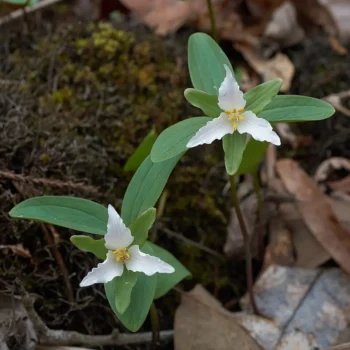
Texas wakerobin (Trillium texanum) is a perennial forb that belongs to the fascinating world of trilliums – wildflowers instantly recognizable by their signature rule of three. Everything about this plant comes in threes: three leaves, three petals, three sepals. It’s like nature’s way of keeping things perfectly balanced.
This little charmer is also known by the botanical synonyms Trillium pusillum var. texanum, though most gardeners will know it simply as Texas wakerobin or Texas trillium.
A True Texas Native with a Tiny Range
Texas wakerobin is native to the lower 48 states, but don’t let that fool you into thinking it’s common. This plant has one of the most limited ranges of any trillium – it’s found only in east Texas and western Louisiana. We’re talking about a true regional endemic that calls the Piney Woods home.
- Species observed
- No observations
Why This Plant Matters (And Why You Should Care)
Here’s where things get serious: Texas wakerobin is imperiled. With a Global Conservation Status of S2 and an S1 status in Texas, this plant is hanging on by a thread. There are typically only 6 to 20 known populations, with perhaps 1,000 to 3,000 individuals remaining in the wild.
Important: If you’re interested in growing Texas wakerobin, please only source plants or seeds from reputable native plant nurseries that propagate their own stock. Never collect from wild populations – every plant counts when you’re dealing with a species this rare.
What Makes Texas Wakerobin Special in the Garden
Despite its rarity (or perhaps because of it), Texas wakerobin brings something truly special to the right garden:
- Delicate white flowers that appear in early spring, sometimes blushing pink as they age
- Classic three-leaf whorl that creates perfect symmetry
- Low-growing habit that fits beautifully in woodland settings
- Spring ephemeral nature – it appears, blooms, and then goes dormant for the summer
- Attracts small pollinators like flies and beetles
Growing Conditions: What Texas Wakerobin Wants
Texas wakerobin is adapted to very specific conditions, which partly explains its limited range:
- Light: Partial to full shade (thinks dappled woodland light)
- Soil: Moist, well-drained, humus-rich soil with good organic matter
- Moisture: Consistent moisture but never waterlogged – it has a facultative wetland status, meaning it can handle some wetness but prefers upland conditions
- Climate: USDA hardiness zones 8-9 (it needs those mild southern winters)
Perfect Garden Settings
Texas wakerobin shines in:
- Woodland gardens under native trees
- Shade gardens with other spring ephemerals
- Native plant gardens focused on regional species
- Conservation gardens dedicated to rare plants
Planting and Care Tips
Growing Texas wakerobin successfully requires patience and the right approach:
- Plant rhizomes in fall when they’re dormant
- Choose a spot that mimics woodland conditions – think rich, leafy soil
- Provide consistent moisture during the growing season (spring)
- Don’t disturb the area during summer dormancy
- Allow fallen leaves to remain as natural mulch
- Be patient – trilliums are notoriously slow to establish and spread
The Conservation Connection
By growing Texas wakerobin in your garden (with responsibly sourced plants), you’re not just adding a beautiful native – you’re participating in conservation. Home gardens can serve as genetic reservoirs and help ensure this rare species has a future beyond its tiny wild range.
Consider partnering with local native plant societies or botanical gardens that may have propagation programs for rare species like Texas wakerobin. Your garden could become part of a larger conservation effort.
Should You Grow Texas Wakerobin?
If you’re in USDA zones 8-9, have the right woodland conditions, and can source plants responsibly, absolutely! Texas wakerobin offers the rare chance to grow something truly special – a plant that connects you directly to the unique ecology of the Texas Piney Woods.
Just remember: with great rarity comes great responsibility. This isn’t a plant for casual gardening, but for those who understand and appreciate the privilege of growing something so precious and rare.