Texas Wintergrass: A Graceful Native Grass for Southern Gardens
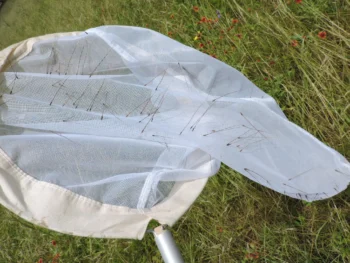
If you’re looking to add some wispy, graceful movement to your native plant garden, Texas wintergrass (Nassella leucotricha) might just be the perfect addition. This charming perennial grass, also known as Texas needlegrass, brings a delicate texture and natural beauty that’s hard to resist – and it’s a true native treasure of the American South.
What Makes Texas Wintergrass Special
Texas wintergrass is a perennial graminoid that belongs to the grass family, and it’s got that wonderful fine-textured look that makes landscapes feel soft and natural. Don’t let the name fool you – while it’s called wintergrass, this beauty provides interest throughout multiple seasons with its slender leaves and feathery seed heads that dance in the breeze.
You might also see this grass listed under its former scientific name, Stipa leucotricha, so don’t be confused if you come across both names in your plant shopping adventures.
Where Texas Wintergrass Calls Home
This native grass has quite a range across the south-central United States, naturally occurring in Texas, Oklahoma, Arkansas, Louisiana, and South Carolina. It’s perfectly adapted to the climate and growing conditions of these regions, which means less fuss and more success for gardeners working within its native range.
- Species observed
- No observations
Important note for Arkansas gardeners: Texas wintergrass has a rarity status of SH (critically imperiled) in Arkansas, making it an especially valuable addition to conservation-minded gardens. If you’re in Arkansas and want to grow this grass, please ensure you source your plants or seeds from reputable native plant nurseries that practice responsible harvesting.
Why You’ll Love Growing Texas Wintergrass
There are plenty of reasons to consider adding this native beauty to your landscape:
- Low maintenance: Once established, it’s quite drought tolerant and doesn’t need constant babying
- Natural movement: The fine texture and seed heads create beautiful motion in even the slightest breeze
- Native benefits: Supports local ecosystems and provides habitat structure for wildlife
- Versatile design role: Works wonderfully in prairie gardens, naturalized areas, and as an accent in native plant borders
- Erosion control: Helps stabilize soil with its root system
Perfect Garden Settings
Texas wintergrass shines brightest in:
- Native plant gardens and prairie restorations
- Xeriscapes and drought-tolerant landscapes
- Naturalized areas where you want that wild meadow look
- Mixed borders where you need a fine-textured contrast plant
Growing Conditions and Care
The great news about Texas wintergrass is that it’s fairly easygoing once you understand its preferences:
Sunlight: This grass loves full sun and performs best with at least 6-8 hours of direct sunlight daily.
Soil: Well-drained soil is crucial – this grass doesn’t appreciate soggy feet. It prefers alkaline to neutral soils, which makes it perfect for many Texas and Oklahoma gardens where alkaline soil is common.
Hardiness: Texas wintergrass is hardy in USDA zones 7-10, making it suitable for most of the South and lower Midwest.
Water: While it needs regular water during establishment, once mature, this grass is quite drought tolerant – a real blessing during those hot southern summers.
Planting and Establishment Tips
Getting Texas wintergrass established is pretty straightforward:
- Timing: Plant seeds in fall or early spring when temperatures are mild
- Seeding: If starting from seed, lightly rake the soil surface and keep consistently moist until germination
- Spacing: Give plants room to spread naturally – they don’t like to be crowded
- Patience: Like many native grasses, it may take a full season or two to become fully established
- Maintenance: Once established, it’s quite low maintenance and may even self-seed in ideal conditions
Wildlife and Ecosystem Benefits
While Texas wintergrass is wind-pollinated (so it won’t be buzzing with bees), it still provides valuable ecosystem services. The grass structure offers nesting sites and cover for small wildlife, and the seeds can provide food for birds. Plus, by choosing native plants, you’re supporting the broader web of life that has evolved alongside these species for thousands of years.
The Bottom Line
Texas wintergrass is a wonderful choice for gardeners in its native range who want to add graceful, low-maintenance texture to their landscapes. It’s especially appealing if you’re interested in prairie-style gardening or creating naturalized spaces that support local ecosystems. Just remember to source your plants responsibly, especially if you’re gardening in Arkansas where this species is rare.
With its drought tolerance, natural beauty, and native credentials, Texas wintergrass proves that sometimes the best plants for our gardens are the ones that have been calling our regions home all along.