Texasplume: A Rare Texas Native Worth Protecting in Your Garden
Meet Texasplume (Bauhinia lunarioides), a charming native shrub that deserves a special place in Texas gardens—but comes with an important conservation story. This delightful perennial shrub offers gardeners fragrant flowers, distinctive heart-shaped leaves, and the satisfaction of growing a truly local native plant. However, before you rush to plant one, there’s something crucial you need to know about this vulnerable species.
A Rare Beauty with Conservation Concerns
Texasplume holds a Global Conservation Status of S3, meaning it’s considered vulnerable in the wild. With only 21 to 100 known occurrences and an estimated 3,000 to 10,000 individuals remaining, this native Texas shrub is becoming increasingly rare in its natural habitat. While this makes it even more special to grow, it also means you should only plant specimens that have been responsibly sourced from reputable native plant nurseries—never collected from the wild.
Where Texasplume Calls Home
This lovely shrub is native to Texas, particularly thriving in the southern regions of the state. Texasplume has adapted perfectly to the challenging conditions of South Texas, making it an excellent choice for gardeners in similar climates who want to support local ecosystems.
- Species observed
- No observations
What Makes Texasplume Special
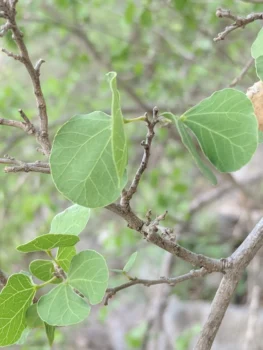
As a multi-stemmed woody perennial, Texasplume typically grows to a manageable 4-5 feet tall, making it perfect for smaller landscapes. The shrub’s most distinctive feature is its heart-shaped, bilobed leaves that give it unique character throughout the growing season. In spring and early summer, the plant produces clusters of small, fragrant white to pink flowers that are absolutely delightful both to gardeners and pollinators alike.
Perfect for Pollinator and Wildlife Gardens
Despite the limited data on specific wildlife benefits, Texasplume’s spring blooms are known to attract butterflies, bees, and other native pollinators. As a native species, it likely provides ecosystem services that non-native plants simply cannot match. Growing this shrub helps support local biodiversity while creating a beautiful focal point in your garden.
Growing Conditions and Care
Texasplume is wonderfully adapted to challenging Texas conditions, making it relatively easy to grow once you understand its preferences:
- Sunlight: Thrives in full sun to partial shade
- Soil: Prefers well-draining soils and tolerates alkaline conditions common in Texas
- Water: Drought tolerant once established, requiring minimal supplemental watering
- Climate: Best suited for USDA hardiness zones 9-11
Planting and Care Tips
For best results with your Texasplume:
- Plant in fall or early spring when temperatures are moderate
- Choose a location with good drainage—this shrub doesn’t like wet feet
- Water regularly the first year to help establish strong roots
- Once established, reduce watering significantly as the plant prefers drier conditions
- Prune lightly in late winter to maintain desired shape and size
- Mulch around the base to retain moisture and suppress weeds
Is Texasplume Right for Your Garden?
Texasplume is an excellent choice if you’re creating a native Texas garden, xeriscape landscape, or pollinator-friendly space. Its compact size makes it suitable for smaller yards, while its drought tolerance means less work for you once it’s established. The fragrant flowers and unique foliage provide both beauty and ecological value.
However, remember that this plant’s rarity makes responsible sourcing essential. Always purchase from reputable native plant nurseries that propagate their stock rather than wild-collect. By choosing responsibly sourced Texasplume, you’re not just adding beauty to your garden—you’re participating in the conservation of this vulnerable Texas native.
Consider Texasplume as a wonderful way to connect your garden to Texas’s natural heritage while supporting local ecosystems. Just remember to source it responsibly and enjoy watching this rare beauty thrive in your landscape!