Thicket Bean: A Native Climbing Treasure for Southeastern Gardens
If you’re looking to add a touch of wild beauty to your garden while supporting local ecosystems, the thicket bean might just be your new favorite native vine. This charming southeastern native brings delicate flowers and natural climbing grace to gardens from Alabama to the Carolinas.
What is Thicket Bean?
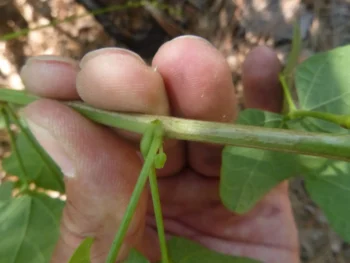
Thicket bean (Phaseolus polystachios var. sinuatus) is a perennial climbing vine that’s perfectly at home in the American Southeast. As a member of the bean family, it produces the characteristic trifoliate leaves (three leaflets per leaf) and small, pretty flowers that give way to slender seed pods. Don’t let the bean in its name fool you into thinking it’s just another vegetable – this wild beauty is all about adding natural charm to your landscape.
You might occasionally see this plant listed under its synonym Phaseolus sinuatus, but rest assured, we’re talking about the same delightful native vine.
Where Does Thicket Bean Call Home?
This southeastern native has a relatively limited but well-defined range, naturally occurring in Alabama, Florida, Georgia, Mississippi, North Carolina, and South Carolina. It’s perfectly adapted to the climate and growing conditions of these states, making it an excellent choice for gardeners in these regions who want to work with nature rather than against it.
- Species observed
- No observations
Why Plant Thicket Bean in Your Garden?
There are several compelling reasons to consider this native vine for your landscape:
- Native heritage: As a true native of the southeastern United States, it supports local ecosystems and requires less maintenance than non-native alternatives
- Pollinator magnet: The small white to pink flowers attract bees and other beneficial pollinators to your garden
- Low maintenance: Once established, this perennial vine is quite self-sufficient
- Natural beauty: Its climbing habit and delicate flowers add a wild, naturalistic touch to gardens
- Wildlife value: As a native plant, it provides habitat and food sources for local wildlife
A Word About Conservation
Before you start planning where to plant your thicket bean, there’s something important to know. This variety has an unclear conservation status (listed as S5T3?), which means its population stability isn’t well-documented. While this doesn’t mean you shouldn’t grow it, it does mean you should be thoughtful about your plant sources. Always purchase from reputable native plant nurseries or participate in ethical seed exchanges rather than collecting from wild populations.
Growing Thicket Bean Successfully
The good news is that thicket bean is relatively easy to grow if you’re in its native range. Here’s what you need to know:
Ideal Growing Conditions
- Sunlight: Partial shade to full sun (quite adaptable)
- Soil: Well-drained soils of various types – it’s not particularly picky
- Hardiness zones: USDA zones 8-10 (matches its native southeastern range perfectly)
- Support: As a climbing vine, it will appreciate trellises, fences, or other plants to climb on
Planting and Care Tips
Getting your thicket bean established is straightforward:
- Planting time: Spring after the last frost, when soil has warmed
- Spacing: Give it room to climb and spread naturally
- Watering: Regular water during establishment, then it becomes quite drought-tolerant
- Fertilizing: Generally unnecessary – native plants prefer their natural soil conditions
- Pruning: Minimal pruning needed; just remove dead or damaged growth
Perfect Garden Companions
Thicket bean shines in naturalistic garden settings. Consider pairing it with other southeastern natives like coral honeysuckle, Carolina jessamine, or native azaleas. It’s particularly well-suited for:
- Woodland edge plantings
- Native plant gardens
- Natural area restorations
- Wildlife habitat gardens
- Fence line plantings where it can climb naturally
The Bottom Line
If you’re gardening in the Southeast and want to add a charming native vine that supports pollinators and local ecosystems, thicket bean deserves serious consideration. Its combination of natural beauty, low maintenance needs, and wildlife value makes it a winner for environmentally conscious gardeners. Just remember to source your plants responsibly, and you’ll be rewarded with a lovely addition to your native plant collection.
While it might not be the showiest plant in your garden, thicket bean offers the quiet satisfaction that comes from growing something truly native to your area – and your local pollinators will definitely thank you for it.