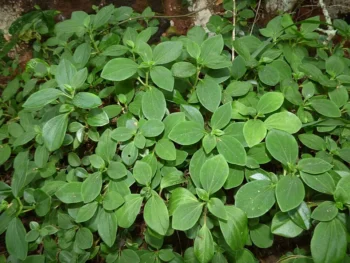
Thickleaf Peperomia: A Rare Hawaiian Native Worth Protecting
Meet the thickleaf peperomia, a charming little Hawaiian native that’s as unique as it is uncommon. This small but mighty plant has captured the hearts of tropical plant enthusiasts, though finding one might be trickier than you’d expect. Let’s dive into what makes this island gem so special and whether it deserves a spot in your garden.
What Is Thickleaf Peperomia?
Scientifically known as Peperomia hypoleuca, the thickleaf peperomia is a small forb native exclusively to the Hawaiian Islands. Unlike woody shrubs or trees, this little guy is a non-woody vascular plant that stays close to the ground, making it perfect for those looking to add some low-growing Hawaiian flair to their tropical gardens.
As an annual plant, thickleaf peperomia completes its entire life cycle within one growing season, though in its native tropical climate, the distinction between seasons becomes beautifully blurred.
Where Does It Come From?
This special peperomia calls Hawaii home and only Hawaii. It’s what botanists call an endemic species – meaning it evolved on the islands and exists nowhere else naturally on Earth. You’ll find it growing throughout the Hawaiian island chain, where it has adapted perfectly to the unique tropical conditions.
- Species observed
- No observations
A Word of Caution: This Plant Is Rare
Here’s something important you should know before falling head-over-heels for this plant: thickleaf peperomia has a Global Conservation Status of S3, which means it’s considered vulnerable. With only an estimated 3,000 to 10,000 individuals remaining and between 21 to 100 known locations, this little plant is fighting for its survival.
What does this mean for you as a gardener? If you’re lucky enough to find thickleaf peperomia available, make sure you’re getting it from a responsible source that propagates plants ethically rather than collecting from wild populations. Every plant matters when numbers are this low!
Should You Grow Thickleaf Peperomia?
If you live in USDA hardiness zones 10-11 and can source this plant responsibly, absolutely! Here’s why this Hawaiian native might be perfect for your garden:
- It’s a living piece of Hawaiian natural heritage
- Perfect for shaded tropical gardens where other plants might struggle
- Excellent for container gardening on patios or lanais
- Low-maintenance once established
- Adds unique texture with its distinctive thick leaves
However, this plant isn’t for everyone. If you live outside tropical zones, you’ll need to treat it as a houseplant or greenhouse specimen, and finding legitimate sources can be challenging due to its rarity.
Growing Conditions and Care
Thickleaf peperomia appreciates the same conditions it enjoys in its native Hawaiian habitat:
- Light: Shade to partial shade – avoid direct sunlight
- Soil: Well-draining, organic-rich soil that doesn’t stay soggy
- Water: Moderate moisture, but let soil dry between waterings
- Climate: Tropical to subtropical conditions (zones 10-11)
- Humidity: Higher humidity levels, typical of tropical environments
Garden Design Ideas
This low-growing native works beautifully as:
- Ground cover in shaded tropical garden beds
- Container plants for covered outdoor spaces
- Understory plantings beneath larger tropical specimens
- Rock garden accents in appropriate climates
The Bottom Line
Thickleaf peperomia is a fascinating piece of Hawaiian botanical heritage that deserves our respect and protection. While it can make a wonderful addition to appropriate tropical gardens, its rarity means we need to be thoughtful about how we source and grow it.
If you can find ethically propagated plants and live in a suitable climate, growing thickleaf peperomia is a wonderful way to connect with Hawaii’s unique natural legacy while supporting conservation efforts. Just remember – with great plants comes great responsibility, especially when they’re as rare and special as this Hawaiian treasure.