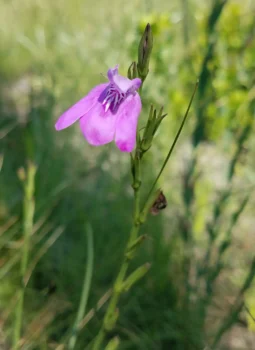
Thickleaf Water-Willow: A Rare Native Gem for Your Wetland Garden
If you’re looking to add something truly special to your native wetland garden, let me introduce you to thickleaf water-willow (Justicia crassifolia). This charming little perennial is one of those hidden treasures of the southeastern United States that deserves more attention—though we need to be thoughtful about how we grow it.
What Makes Thickleaf Water-Willow Special?
Thickleaf water-willow is a delightful native forb that brings both beauty and ecological value to wet spaces. Its name gives away one of its key features—those distinctive thick, lance-shaped leaves that help it thrive in consistently moist conditions. During blooming season, it produces small tubular flowers in shades of white to pale purple that practically beckon to butterflies and other pollinators.
As a perennial herb, this plant lacks woody stems but makes up for it with its resilience and ability to return year after year, making it a reliable addition to the right garden setting.
Where Does It Call Home?
This southeastern native has a rather limited natural range, calling only Florida and Georgia home. You’ll find it thriving in the wetlands and marshy areas of these states, where it has adapted perfectly to life with wet feet.
- Species observed
- No observations
A Word of Caution: Rarity Matters
Here’s something important every gardener should know: thickleaf water-willow has a Global Conservation Status of S3, meaning it’s considered vulnerable in the wild. With typically only 21 to 100 occurrences and between 3,000 and 10,000 individuals existing, this plant is genuinely rare.
What does this mean for you as a gardener? If you’re interested in growing thickleaf water-willow, please only source it from reputable native plant nurseries that propagate their own stock rather than wild-collecting. Never harvest this plant from the wild—every individual in nature is precious for the species’ survival.
Perfect Growing Conditions
Thickleaf water-willow is what we call an obligate wetland plant, which is a fancy way of saying it almost always needs wet conditions to thrive. Here’s what it loves:
- Moisture: Consistently moist to wet soil—think bog garden or rain garden conditions
- Light: Full sun to partial shade
- Soil: Benefits from organic matter; tolerates various soil types as long as they stay wet
- Climate: Hardy in USDA zones 8-10
Where It Shines in Your Landscape
This isn’t your typical border perennial—thickleaf water-willow has very specific habitat needs that make it perfect for certain situations:
- Rain gardens: Excellent for managing stormwater runoff
- Bog gardens: Creates authentic wetland habitat
- Stream or pond edges: Naturalizes beautifully in wet margins
- Restoration projects: Valuable for restoring native wetland ecosystems
Wildlife and Pollinator Benefits
Those tubular flowers aren’t just pretty—they’re perfectly designed to attract butterflies and other small pollinators. By growing thickleaf water-willow, you’re providing nectar for native insects that have co-evolved with this plant over thousands of years.
Planting and Care Tips
Growing thickleaf water-willow successfully is all about getting the conditions right:
- Site selection: Choose the wettest spot in your garden—this plant can’t tolerate drought
- Soil prep: Add compost or other organic matter to improve soil structure
- Watering: In natural wetland conditions, additional watering shouldn’t be necessary
- Maintenance: Generally low-maintenance once established in the right conditions
The Bottom Line
Thickleaf water-willow is a fantastic choice for gardeners with wet areas who want to support native ecosystems and rare plant conservation. Its specialized needs mean it’s not for every garden, but if you have the right wetland conditions and can source it responsibly, you’ll be growing a true botanical treasure.
Remember: by choosing to grow rare native plants like thickleaf water-willow from responsibly propagated sources, you’re not just creating a beautiful garden—you’re participating in conservation efforts that help ensure these species survive for future generations.