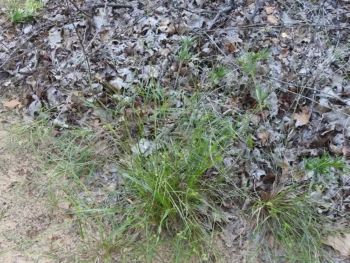
Thin Paspalum: A Delicate Native Grass Worth Knowing
If you’re looking to add some understated elegance to your native plant garden, thin paspalum (Paspalum setaceum) might just be the grass you’ve been searching for. This delicate perennial grass may not win any awards for showiness, but it brings a quiet charm and important ecological benefits that make it worth considering for the right garden setting.
What is Thin Paspalum?
Thin paspalum, also simply called paspalum, is a native North American grass that forms loose, airy tufts with fine-textured foliage. As a member of the grass family, it produces delicate seed heads that dance gracefully in the breeze, adding movement and subtle beauty to naturalized landscapes.
This perennial grass has an impressive native range, naturally occurring across much of North America. You’ll find it growing wild from Canada down through the lower 48 states, and it even calls Puerto Rico home. It has established itself in an remarkable number of states, from Alabama and Arizona to Wisconsin and West Virginia, showing just how adaptable this little grass can be.
- Species observed
- No observations
A Note About Rarity
Before you rush out to plant thin paspalum, there’s something important to know: this species has protected status in New Jersey, where it’s listed as rare with different varieties having S1 and S2 conservation rankings. If you’re interested in growing this grass, make sure you source it responsibly from reputable native plant nurseries rather than collecting from wild populations.
Why Grow Thin Paspalum?
While thin paspalum might not be the star of your garden show, it plays several valuable supporting roles:
- Wildlife support: Small mammals and terrestrial birds use this grass as a minor food source, with it making up 5-10% of their diet
- Erosion control: Its root system helps stabilize soil on slopes and in naturalized areas
- Low maintenance: Once established, it requires minimal care and can handle tough growing conditions
- Native plant gardens: Perfect for prairie restorations and wildlife-friendly landscapes
Where Does It Fit in Your Landscape?
Thin paspalum works best in naturalized settings rather than formal garden beds. Consider it for:
- Prairie and meadow gardens
- Wildlife habitat areas
- Slopes needing erosion control
- Naturalized edges of your property
- Native plant collections
Growing Conditions and Care
One of thin paspalum’s best qualities is its adaptability to different growing conditions. Here’s what you need to know:
Sunlight: Thrives in full sun to partial shade, making it versatile for various garden locations.
Soil: This grass is quite forgiving when it comes to soil. It actually prefers poor, sandy soils and can handle drought conditions once established. The wetland status varies by region – in some areas it’s found in upland sites, while in others it can tolerate occasional wet conditions.
Hardiness: Suitable for USDA zones 3-9, making it appropriate for most of the continental United States.
Maintenance: Very low maintenance once established. Simply cut it back in late winter or early spring before new growth begins. It self-seeds readily, so you may find new plants popping up nearby.
Planting Tips
Since thin paspalum can be difficult to find in nurseries due to its specialized nature, you’ll want to:
- Source from reputable native plant nurseries
- Plant in spring or fall for best establishment
- Water regularly the first year, then it can handle drought
- Be patient – native grasses often take time to establish but are worth the wait
The Bottom Line
Thin paspalum won’t win any beauty contests, but it’s exactly the kind of quiet workhorse that makes native plant gardens successful. If you’re creating wildlife habitat, working on erosion control, or simply want to support native biodiversity, this adaptable little grass deserves consideration. Just remember to source it responsibly and give it the naturalized setting where it can truly shine – or rather, quietly blend in while doing its important ecological work.