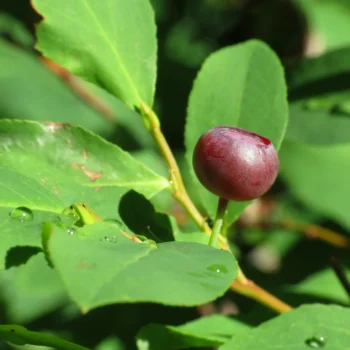
Thinleaf Huckleberry: A Sweet Native Treasure for Your Garden
If you’re looking for a native shrub that delivers both beauty and bounty, let me introduce you to the thinleaf huckleberry (Vaccinium membranaceum). This delightful North American native brings together everything a gardener could want: lovely flowers, delicious berries, and serious wildlife appeal. Plus, it’s got that wonderful wild look that makes any garden feel more connected to nature.
What Makes Thinleaf Huckleberry Special?
The thinleaf huckleberry is a multi-stemmed perennial shrub that typically reaches about 4 to 4.5 feet tall at maturity. Don’t expect rapid results though – this beauty has a moderate growth rate and takes its sweet time establishing itself. But trust me, the wait is worth it!
In late spring, the shrub produces charming bell-shaped flowers in lovely purple hues that are quite conspicuous against the green foliage. Come late summer, you’ll be rewarded with dark black berries that are not only beautiful but absolutely delicious. The medium-textured green foliage provides a perfect backdrop throughout the growing season.
Where Does It Call Home?
This native gem has an impressive range across western North America. You’ll find wild populations thriving in Alberta, British Columbia, Ontario, Yukon, and the Northwest Territories in Canada, as well as throughout many western U.S. states including Arizona, California, Colorado, Idaho, Michigan, Minnesota, Montana, Oregon, South Dakota, Utah, Washington, and Wyoming.
- Species observed
- No observations
Why Your Garden (and Local Wildlife) Will Love It
The thinleaf huckleberry is a fantastic choice for several types of garden settings:
- Woodland gardens: Perfect as an understory shrub beneath taller trees
- Native plant gardens: Adds authentic local character
- Edible landscapes: Those berries are absolutely worth growing for!
- Wildlife gardens: The flowers attract pollinators, and the berries feed birds and other creatures
Speaking of wildlife, while specific benefits aren’t fully documented, huckleberries are well-known for supporting local ecosystems. The spring flowers provide nectar for bees and other pollinators, while the nutritious berries are beloved by birds, bears, and other wildlife (not to mention humans!).
Growing Conditions: Getting It Right
Here’s where thinleaf huckleberry gets a bit particular – but don’t let that scare you off! Understanding its preferences will set you up for success.
Soil Requirements:
- Acidic soil is a must (pH 4.5 to 5.6)
- Prefers coarse to medium-textured soils
- Avoid fine, heavy clay soils
- Good drainage is essential
Light and Water:
- Intermediate shade tolerance – part shade to dappled sun works well
- Low drought tolerance means consistent moisture is important
- Low moisture use once established
Climate Considerations:
- Hardy in USDA zones 3-7
- Can handle temperatures down to -38°F
- Needs at least 85 frost-free days
- Thrives in areas with 10-50 inches of annual precipitation
Planting and Care Tips
Getting Started:
- Seeds require cold stratification, so be patient with propagation
- Available through specialized native plant contractors
- Can be propagated by seed, cuttings, or bare root plants
- Plant spacing: approximately 1,700-2,700 plants per acre for naturalized areas
Ongoing Care:
- Low fertilizer requirements (this plant likes it lean!)
- Maintain consistent soil moisture, especially during establishment
- Mulch around the base to retain moisture and suppress weeds
- Has good resprout ability if damaged
A Few Things to Keep in Mind
While thinleaf huckleberry is a wonderful addition to the right garden, it’s not for everyone. This shrub prefers non-wetland conditions (though it can occasionally tolerate some moisture), and it’s not particularly drought-tolerant once you move away from its native mountain habitats. It also has low tolerance for heavy pruning or hedge-trimming, so give it space to grow naturally.
The plant has a global conservation status of S3S4, which suggests it may face some regional conservation concerns, so when sourcing plants, make sure you’re working with reputable native plant suppliers who use responsibly collected or propagated stock.
The Bottom Line
If you have acidic soil, can provide consistent moisture, and appreciate both native plants and edible landscaping, thinleaf huckleberry could be a perfect addition to your garden. Yes, it requires specific conditions and has a moderate growth rate, but the reward of those delicious berries, attractive flowers, and wildlife value make it well worth the effort. Plus, there’s something deeply satisfying about growing a plant that belongs in your local landscape – it’s gardening in harmony with nature at its finest!