Thinpetal Larkspur: A Rare Pacific Northwest Native Worth Protecting
If you’re passionate about native plants and have a soft spot for delicate wildflowers, let me introduce you to one of the Pacific Northwest’s lesser-known treasures: thinpetal larkspur (Delphinium lineapetalum). This charming perennial forb might not be the showiest plant in your garden, but it’s got a special story that makes it worth your attention—and careful consideration.
What Makes Thinpetal Larkspur Special?
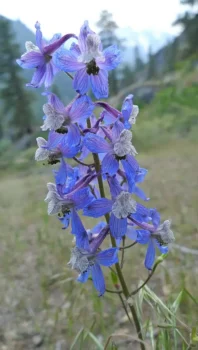
Thinpetal larkspur is a native perennial herb that calls the Pacific Northwest home. As its name suggests, this delphinium species features distinctively narrow petals that give its blue to purple flowers a more delicate appearance than its garden-variety cousins. The flowers are arranged in loose, airy racemes that dance gracefully in the breeze, creating a naturalistic charm that’s perfect for wildflower enthusiasts.
Like other members of the delphinium family, each flower sports the characteristic backward-pointing spur that makes these blooms so architecturally interesting. But don’t let the dainty appearance fool you—this little larkspur is a hardy perennial that comes back year after year.
Where You’ll Find This Pacific Northwest Native
Thinpetal larkspur has a relatively limited native range, naturally occurring in Oregon and Washington. This geographic restriction is part of what makes this species so special—and so important to conserve. It’s adapted specifically to the unique growing conditions of the Pacific Northwest, making it a true regional treasure.
- Species observed
- No observations
A Word of Caution: Rarity Matters
Here’s where things get important: thinpetal larkspur has a Global Conservation Status of S2S3Q, which means it’s considered rare and potentially vulnerable. Before you get excited about adding this beauty to your garden, it’s crucial to understand what this means for responsible gardening.
If you’re determined to grow thinpetal larkspur, you absolutely must source it responsibly. This means:
- Never collect plants or seeds from wild populations
- Purchase only from reputable native plant nurseries that propagate their own stock
- Consider growing it as part of conservation efforts rather than just ornamental purposes
- Be prepared that it may be difficult or impossible to find commercially
Growing Thinpetal Larkspur Successfully
If you’re lucky enough to source this rare native responsibly, here’s how to give it the best chance of thriving in your garden:
Ideal Growing Conditions
- Light: Partial shade to full sun, though it appreciates some afternoon shade in hotter areas
- Soil: Well-drained soils are essential—this plant doesn’t like wet feet
- Water: Moderate moisture, but allow soil to dry between waterings
- Climate: Best suited for USDA hardiness zones 6-8, matching its Pacific Northwest origins
Planting and Care Tips
Spring is typically the best time to plant thinpetal larkspur. Like many native wildflowers, it may go dormant during hot summer months, so don’t panic if it seems to disappear—it’s just taking a break and will return when conditions are more favorable.
Keep watering moderate and ensure good drainage. This isn’t a plant that appreciates being fussed over too much—sometimes the best care is simply letting it do its own thing in conditions that mimic its natural habitat.
Wildlife and Pollinator Benefits
The spurred flowers of thinpetal larkspur are particularly attractive to hummingbirds and long-tongued bees. The flower structure essentially requires pollinators with the right equipment to access the nectar, making it a specialized food source that supports specific wildlife species in your garden ecosystem.
Perfect Garden Settings
Thinpetal larkspur shines in:
- Native plant gardens focused on Pacific Northwest species
- Naturalized wildflower meadows
- Conservation-focused landscape designs
- Specialized collections of rare native plants
It’s not the right choice for formal gardens or high-traffic areas, but it’s perfect for creating those magical found in the wild moments in more naturalistic settings.
The Bottom Line
Thinpetal larkspur is a plant that comes with both privilege and responsibility. Its rarity means that growing it is less about having a pretty garden and more about participating in conservation efforts. If you can source it responsibly and have the right growing conditions, it’s a wonderful way to support biodiversity and connect with the unique flora of the Pacific Northwest.
However, if you can’t find responsibly sourced thinpetal larkspur, consider other Pacific Northwest native delphiniums or similar wildflowers that aren’t as conservation-sensitive. Sometimes the most loving thing we can do for a rare plant is to let it recover in the wild while we support conservation through other means.