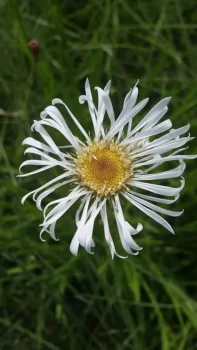
Thistleleaf Aster: A Rare Gem for Southeastern Native Gardens
If you’re looking to add some late-season pizzazz to your native garden, let me introduce you to a botanical treasure that’s been quietly blooming in the Southeast for centuries. The thistleleaf aster (Eurybia eryngiifolia) might not be the showiest plant in your garden, but this perennial forb brings something special to the table – literally saving the best for last with its charming fall flowers.
What Makes Thistleleaf Aster Special?
This native beauty gets its common name from its distinctive spiny-edged leaves that look remarkably similar to thistle foliage. Don’t worry though – it’s much more garden-friendly than its prickly namesake! The thistleleaf aster produces delicate white to pale lavender daisy-like flowers that appear when many other plants are calling it quits for the season.
You might also see this plant listed under its botanical synonym Aster eryngiifolius in older gardening references, but the accepted name today is Eurybia eryngiifolia.
Where Does It Call Home?
This southeastern native has a fairly limited range, naturally occurring in Alabama, Florida, and Georgia. It’s perfectly adapted to the unique growing conditions of the Atlantic and Gulf Coastal Plain region.
- Species observed
- No observations
A Word of Caution: Handle with Care
Before you rush out to find this plant, here’s something important to know: thistleleaf aster is considered rare in parts of its range. With a global conservation status of S3S4 and an S2 rating in Alabama, this isn’t your run-of-the-mill garden center find. If you’re lucky enough to locate this plant, make absolutely sure you’re purchasing from a reputable source that propagates their own stock rather than wild-collecting.
Why Consider Growing Thistleleaf Aster?
Here are some compelling reasons to give this native a spot in your garden:
- Late-season blooms: When most flowers are fading, this aster steps up to provide fall color
- Pollinator magnet: Butterflies and native bees appreciate the nectar source during migration season
- Water-wise choice: Naturally adapted to wet conditions, perfect for rain gardens or naturally moist spots
- Low maintenance: Once established, it pretty much takes care of itself
- Native credentials: Supporting local ecosystems never goes out of style
Growing Conditions and Care
Thistleleaf aster is classified as a facultative wetland plant, which means it usually prefers wet feet but can tolerate drier conditions. Here’s what it needs to thrive:
- Hardiness zones: 8-10 (perfect for its southeastern native range)
- Light requirements: Partial shade to full sun
- Soil preferences: Moist to wet soils; adaptable to various soil types
- Water needs: Consistent moisture is key, especially during establishment
Perfect Garden Spots
This versatile native works beautifully in several garden settings:
- Native plant gardens where you want authentic regional flora
- Rain gardens or bioswales where its wetland preferences shine
- Naturalized areas that mimic wild coastal plain habitats
- Fall-interest gardens where late bloomers are the stars
Planting and Care Tips
Once you’ve sourced your responsibly-grown thistleleaf aster, here’s how to help it succeed:
- Plant in spring after the last frost date
- Choose a spot with consistent moisture – think bog garden rather than desert
- Mulch around the base to retain soil moisture
- Be patient – like many natives, it may take a season to fully establish
- Allow some flowers to go to seed for potential natural propagation
- Divide clumps every few years if they become overcrowded
The Bottom Line
Thistleleaf aster isn’t for every garden or every gardener – its specific growing requirements and limited availability make it more of a specialty plant. But if you have the right conditions (think moist and southeastern), can source it responsibly, and appreciate the subtle beauty of native plants, this rare aster could be a wonderful addition to your landscape. Just remember to treat it with the respect its conservation status deserves, and you’ll be rewarded with unique fall beauty that supports local wildlife while preserving a piece of southeastern botanical heritage.