Thompson’s Desertparsley: A Rare Pacific Northwest Gem Worth Protecting
If you’re passionate about rare native plants and have a knack for growing challenging species, Thompson’s desertparsley (Lomatium thompsonii) might just capture your gardening heart. This delicate perennial forb is one of Washington state’s botanical treasures, though finding it—let alone growing it—requires both patience and a commitment to conservation.
What Makes Thompson’s Desertparsley Special?
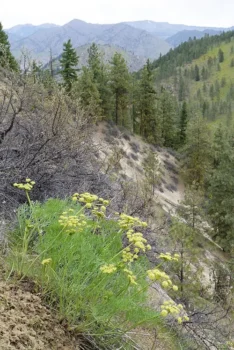
Thompson’s desertparsley is a true Washington native, found nowhere else in the world except within the Columbia River Gorge region. This herbaceous perennial belongs to the carrot family and showcases the classic umbrella-shaped flower clusters (umbels) that make its relatives so recognizable. In early spring, clusters of tiny yellow flowers emerge above finely divided, almost fern-like foliage that adds textural interest even when the plant isn’t blooming.
A Conservation Concern
Here’s where things get serious: Thompson’s desertparsley has a Global Conservation Status of S3, meaning it’s considered vulnerable. With only 21 to 100 known occurrences and between 3,000 to 10,000 individuals estimated in the wild, this isn’t a plant to take lightly. If you’re considering adding it to your garden, you absolutely must source it responsibly from reputable native plant nurseries that propagate rather than wild-harvest their stock.
Geographic Distribution
This rare beauty calls Washington state home exclusively, making it a true Pacific Northwest endemic. Its natural habitat is limited to specific areas within the Columbia River Gorge, where unique geological and climatic conditions have allowed it to persist.
- Species observed
- No observations
Garden Performance and Appeal
Despite its rarity in the wild, Thompson’s desertparsley can be a rewarding garden plant for the right gardener. It’s a low-growing forb that typically stays compact, making it perfect for:
- Rock gardens and alpine collections
- Xerophytic (dry) garden designs
- Native plant demonstrations
- Conservation-focused landscapes
The plant’s greatest appeal lies in its early spring bloom time, when many other natives are still dormant. Those cheerful yellow flower clusters provide crucial early-season nectar for native bees and other beneficial insects, making it an important pollinator plant despite its small stature.
Growing Conditions and Care
Thompson’s desertparsley thrives in USDA hardiness zones 6-9, which covers most of the Pacific Northwest and similar climates. Like many desert parsley species, it’s adapted to well-draining soils and can handle drought conditions once established.
Ideal growing conditions include:
- Full sun exposure
- Well-draining, even rocky or sandy soils
- Minimal summer water once established
- Good air circulation
Planting and Care Tips
Growing Thompson’s desertparsley from seed is your best bet, as mature plants often don’t transplant well due to their deep taproots. Fall seeding works best, allowing natural cold stratification over winter. Here are some key care considerations:
- Direct seed in fall for spring germination
- Avoid overwatering—this plant prefers lean conditions
- Provide excellent drainage to prevent root rot
- Be patient—germination can be sporadic and slow
- Once established, leave it undisturbed
Should You Grow Thompson’s Desertparsley?
This plant isn’t for everyone, and that’s perfectly okay. Consider growing Thompson’s desertparsley if you:
- Are experienced with native plant cultivation
- Have appropriate growing conditions (well-draining, sunny site)
- Are committed to conservation and responsible sourcing
- Want to support rare plant preservation through cultivation
- Appreciate subtle beauty over flashy flowers
However, if you’re new to native gardening or prefer low-maintenance plants, you might want to start with more common Lomatium species or other Pacific Northwest natives before tackling this rare beauty.
The Bottom Line
Thompson’s desertparsley offers dedicated native plant gardeners a chance to grow something truly special while contributing to conservation efforts. Just remember—with great rarity comes great responsibility. Always source plants ethically, never collect from the wild, and consider your garden a sanctuary for this vulnerable species. When grown successfully, you’ll have a living piece of Washington’s botanical heritage gracing your landscape each spring.