Threadleaf Giant Hyssop: A Southwestern Native That’s Worth the Hunt
If you’re on the lookout for a native plant that combines stunning beauty with serious pollinator appeal, let me introduce you to threadleaf giant hyssop (Agastache rupestris). This southwestern charmer might not be the easiest plant to find at your local nursery, but trust me—it’s worth seeking out for the right garden.
What Makes Threadleaf Giant Hyssop Special?
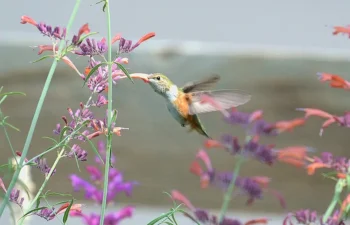
Also known simply as threadleaf giant hyssop, this perennial herb brings a unique combination of features that make it a standout choice for native plant enthusiasts. Picture dense spikes of vibrant orange-red tubular flowers rising above aromatic, thread-like foliage—it’s like nature’s own fireworks display that keeps going all season long.
As a native species to the lower 48 states, specifically Arizona and New Mexico, this plant has evolved to thrive in challenging southwestern conditions. It’s what botanists classify as a forb—essentially a flowering plant without woody stems that dies back to the ground each winter and returns fresh each spring.
- Species observed
- No observations
Why You Might Want to Plant It
There are several compelling reasons to consider adding threadleaf giant hyssop to your garden:
- Pollinator magnet: Those tubular orange-red flowers are like neon signs for hummingbirds, butterflies, and native bees
- Drought tolerance: Once established, it shrugs off dry conditions like a true desert native
- Aromatic foliage: The leaves release a pleasant fragrance when brushed against
- Long blooming period: Flowers typically appear from summer through fall
- Low maintenance: Minimal care required once it settles in
The Conservation Consideration
Here’s something important to know: threadleaf giant hyssop has a Global Conservation Status of S3?, which indicates some uncertainty about its population status. This means if you decide to grow it, you should only purchase plants or seeds from reputable native plant nurseries that source their material responsibly—never collect from wild populations.
Perfect Garden Roles
This plant shines in several garden settings:
- Xeriscape gardens: Its drought tolerance makes it perfect for water-wise landscaping
- Rock gardens: Thrives in the excellent drainage these gardens provide
- Native plant gardens: An authentic choice for southwestern native landscapes
- Pollinator gardens: A must-have for supporting local wildlife
- Accent plantings: Use it as a colorful focal point in mixed borders
Growing Threadleaf Giant Hyssop Successfully
The good news is that once you get your hands on this plant, it’s relatively easy to grow—if you can mimic its native conditions.
Location and Soil
Plant threadleaf giant hyssop in full sun with excellent drainage. It absolutely despises wet feet, so if your soil tends to hold water, consider raised beds or slopes. Sandy or rocky soils that would challenge other plants are perfect for this southwestern native.
Hardiness and Climate
This tough little plant can handle USDA hardiness zones 5-9, making it suitable for a wider range of climates than you might expect from a desert native. However, it performs best in areas with low humidity and plenty of sunshine.
Planting and Care Tips
Spring is your best bet for planting. Water regularly during the first growing season to help establish a strong root system, but once established, you can largely ignore it except during extreme drought. The plant typically doesn’t require fertilizing—in fact, too-rich soil can make it floppy and reduce flowering.
Deadheading spent flowers will encourage continued blooming, though many gardeners leave some flowers to go to seed for the birds and to potentially get volunteer seedlings.
Potential Challenges
The biggest challenge with threadleaf giant hyssop isn’t growing it—it’s finding it. Due to its limited native range and conservation status, it’s not commonly available in mainstream nurseries. You’ll likely need to seek out specialty native plant nurseries or native plant sales.
Additionally, if you live in a humid climate or have heavy clay soil, this might not be the right plant for your garden. It’s evolved for dry, rocky conditions and doesn’t adapt well to different environments.
The Bottom Line
Threadleaf giant hyssop is a gem of a native plant that rewards patient gardeners with spectacular flowers and happy pollinators. While it may require some effort to source responsibly, its beauty, wildlife value, and low-maintenance nature make it a worthy addition to appropriate gardens. Just remember to buy from reputable sources and give it the sunny, well-draining conditions it craves.
If you can’t locate threadleaf giant hyssop or it’s not suitable for your climate, consider other native Agastache species that might be more readily available in your region—there are wonderful native options for almost every area of the country.