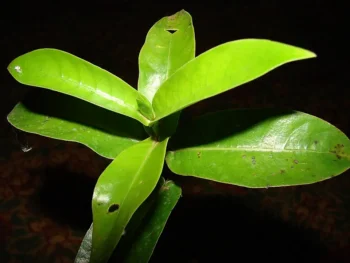
Three-Flower Labordia: A Rare Hawaiian Treasure Worth Protecting
If you’re passionate about Hawaiian native plants and conservation gardening, you may have heard whispers about the three-flower labordia (Labordia triflora). This isn’t your typical garden center find – it’s one of Hawaii’s most critically endangered shrubs, making it both incredibly special and incredibly rare.
What Makes Three-Flower Labordia Special?
The three-flower labordia is a perennial shrub that’s endemic to Hawaii, meaning it exists nowhere else on Earth. True to its name, this charming plant produces delicate clusters of small, pale flowers, typically arranged in groups of three. The glossy green foliage provides an attractive backdrop for these modest but beautiful blooms.
As a multi-stemmed woody shrub, three-flower labordia typically grows less than 13-16 feet tall, though it usually stays much smaller in cultivation. Its growth habit makes it suitable for understory planting or as a specimen in specialized native plant collections.
Where Does It Grow?
Three-flower labordia is found exclusively in Hawaii, with historical populations on Oahu and Molokai. However, its distribution has become severely limited due to habitat loss and other environmental pressures.
- Species observed
- No observations
A Plant in Crisis: Understanding Its Endangered Status
Important Conservation Alert: Three-flower labordia has a Global Conservation Status of S1, meaning it’s critically imperiled. In the United States, it’s classified as Endangered, with typically five or fewer occurrences and very few remaining individuals (fewer than 1,000 plants total).
This extreme rarity means that if you’re considering growing three-flower labordia, you must ensure any plant material comes from legitimate, responsibly managed sources such as:
- Authorized botanical institutions
- Licensed native plant nurseries with proper permits
- Conservation programs with documented provenance
- Seed exchanges through botanical organizations
Growing Three-Flower Labordia: For the Dedicated Conservationist
Given its endangered status, growing three-flower labordia isn’t for casual gardeners. However, for those committed to Hawaiian plant conservation and with access to legitimate sources, here’s what you need to know:
Ideal Growing Conditions
While specific cultivation requirements for Labordia triflora are limited due to its rarity, most Hawaiian native shrubs thrive in:
- Climate: USDA Hardiness Zones 10-12 (tropical to subtropical)
- Light: Partial shade to filtered sunlight
- Soil: Well-draining, organic-rich soil
- Moisture: Consistent but not waterlogged conditions
Planting and Care Tips
If you’re fortunate enough to obtain three-flower labordia through proper conservation channels:
- Plant in a protected location away from foot traffic
- Provide morning sun with afternoon shade
- Mulch around the base to retain moisture and suppress weeds
- Water regularly but ensure excellent drainage
- Avoid fertilizers unless specifically recommended by conservation experts
- Monitor closely for any signs of stress or disease
The Role in Your Garden
Three-flower labordia serves a unique role as a conservation plant rather than a typical landscape specimen. It’s best suited for:
- Hawaiian native plant gardens
- Conservation collections
- Educational botanical displays
- Research and propagation efforts
Supporting Conservation Without Growing
Not everyone can or should grow three-flower labordia directly, but you can still support its conservation by:
- Growing other Hawaiian native plants to support local ecosystems
- Supporting botanical gardens and conservation organizations
- Learning about and sharing information about endangered Hawaiian plants
- Participating in habitat restoration projects
The Bottom Line
Three-flower labordia represents both the incredible diversity of Hawaiian flora and the urgent need for plant conservation. While this rare beauty isn’t suitable for most home gardens due to its critically endangered status, it serves as an important reminder of what we stand to lose – and what dedicated conservation efforts can help preserve.
If you’re drawn to Hawaiian native plants, consider starting with more readily available species while supporting the organizations working tirelessly to bring plants like three-flower labordia back from the brink of extinction. Every garden that celebrates native plants contributes to a larger conservation story.