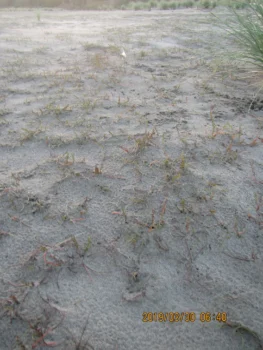
Three-Rib Arrowgrass: A Native Wetland Wonder for Water-Loving Gardens
If you’ve been searching for a native plant that thrives in those perpetually soggy spots in your yard, let me introduce you to three-rib arrowgrass (Triglochin striata). This unassuming perennial might not win any beauty contests, but it’s an absolute champion when it comes to loving wet feet and supporting native ecosystems.
What Exactly Is Three-Rib Arrowgrass?
Three-rib arrowgrass is a native perennial grass-like plant that belongs to the arrow-grass family (Juncaginaceae). Don’t let the name fool you—it’s not actually a true grass, but it sure looks like one with its slender, linear leaves and modest appearance. This hardy native has been quietly doing its job in America’s wetlands for centuries, and it’s about time more gardeners discovered its potential.
Where Does It Call Home?
This wetland warrior has quite an impressive native range across the United States. You’ll find three-rib arrowgrass naturally growing in twelve states spanning both coasts:
- Eastern states: Alabama, Delaware, Florida, Georgia, Louisiana, Maryland, Mississippi, North Carolina, South Carolina, and Virginia
- Western states: California and Oregon
- Species observed
- No observations
The plant thrives in USDA hardiness zones 8-10, making it perfect for gardeners in warmer climates with consistent moisture.
Why You Might Want This Wetland Wonder
Here’s the thing about three-rib arrowgrass—it’s not going to be the star of your flower border, but it absolutely shines in the right conditions. This plant is classified as an obligate wetland species, which means it almost always occurs in wetlands. If you have a consistently wet area in your landscape that other plants struggle with, this native beauty might be your solution.
Three-rib arrowgrass works wonderfully in:
- Rain gardens and bioswales
- Bog gardens and wetland restorations
- Coastal plantings where salt tolerance is needed
- Naturalized wet meadows
- Pond edges and stream banks
Growing Conditions That Make It Happy
The secret to success with three-rib arrowgrass is understanding that it’s essentially aquatic in its preferences. This plant wants:
- Moisture: Consistently wet to saturated soil—think squishy underfoot wet
- Sun exposure: Full sun to partial shade
- Soil type: Tolerates various soil types as long as they stay moist
- Salt tolerance: Can handle coastal conditions and some salinity
Planting and Care Tips
The good news about three-rib arrowgrass is that once you get it established in the right spot, it’s remarkably low-maintenance. Here’s how to set it up for success:
Planting: Plant in early spring or fall when temperatures are moderate. Make sure your planting site stays consistently moist—if it ever dries out completely, your arrowgrass won’t be happy.
Establishment: During the first growing season, monitor moisture levels carefully. The plant should establish relatively quickly in proper wetland conditions.
Maintenance: Once established, three-rib arrowgrass is virtually maintenance-free. You can cut it back in late winter if desired, but it’s not necessary.
What About Wildlife Benefits?
While three-rib arrowgrass is wind-pollinated and doesn’t attract butterflies like flashier native plants, it does provide valuable habitat structure in wetland ecosystems. The dense growth can offer shelter for small wildlife and contributes to the overall health of wetland plant communities.
The Bottom Line
Three-rib arrowgrass isn’t for everyone, and that’s perfectly okay. But if you have a wet area that needs a native solution, or if you’re working on wetland restoration, this humble native deserves serious consideration. It’s the kind of plant that quietly does its job without demanding attention—sometimes that’s exactly what a landscape needs.
Just remember: this is a plant for wet conditions only. If you’re looking for something for average garden conditions, you’ll want to explore other native options. But for those soggy spots where other plants struggle, three-rib arrowgrass might just be the perfect fit.