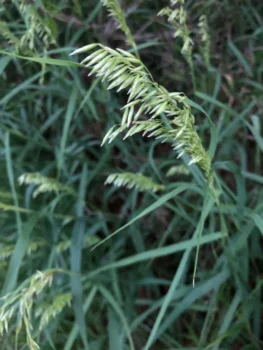
Threeflower Melicgrass: A Graceful Native Grass Worth Protecting
If you’re looking to add some understated elegance to your native garden, threeflower melicgrass (Melica nitens) might just be the perfect addition. This delicate perennial grass brings a subtle beauty that’s easy to overlook but impossible to forget once you notice its graceful, nodding seed heads dancing in the breeze.
What Makes Threeflower Melicgrass Special
Threeflower melicgrass is a true American native, naturally occurring across 24 states from the Great Plains to the Atlantic coast. This perennial grass belongs to the Poaceae family and offers gardeners a chance to incorporate authentic regional flora into their landscapes.
What sets this grass apart is its refined appearance. Rather than forming dense clumps like some native grasses, threeflower melicgrass creates an airy, almost ethereal presence in the garden. Its fine-textured foliage provides a subtle backdrop for showier wildflowers, while its delicate seed heads add movement and interest throughout the growing season.
Where You’ll Find It Growing Wild
This adaptable grass naturally grows across a impressive range, including Alabama, Arizona, Arkansas, Colorado, Georgia, Illinois, Indiana, Iowa, Kansas, Kentucky, Maryland, Minnesota, Missouri, Nebraska, New Mexico, North Carolina, Ohio, Oklahoma, Pennsylvania, Tennessee, Texas, Virginia, West Virginia, and Wisconsin.
- Species observed
- No observations
A Word of Caution: Rarity Matters
Before you rush out to add threeflower melicgrass to your garden, there’s something important to know. In Alabama, this species has a rarity status of S1, meaning it’s critically imperiled in that state. If you’re gardening in Alabama or anywhere else where this grass might be uncommon, please only source plants or seeds from reputable native plant nurseries that practice responsible collection methods. Never collect from wild populations.
Perfect Spots for Threeflower Melicgrass
This versatile grass thrives in several garden settings:
- Native plant gardens where you want authentic regional species
- Prairie restorations and naturalized landscapes
- Woodland edges where it can handle partial shade
- Wildlife gardens focused on supporting local ecosystems
While threeflower melicgrass is wind-pollinated and won’t directly attract butterflies like showy wildflowers do, it plays an important role in the ecosystem by providing seeds for birds and small mammals.
Growing Conditions That Make It Happy
One of the best things about threeflower melicgrass is its adaptability. This hardy perennial grows well in USDA hardiness zones 4-8, making it suitable for a wide range of climates. It’s quite flexible about light conditions, thriving in both partial shade and full sun locations.
As for soil, this grass isn’t particularly fussy. It tolerates various soil types and, once established, shows impressive drought tolerance. This makes it an excellent choice for low-maintenance landscapes and areas where you want to reduce watering needs.
Planting and Care Tips
Getting threeflower melicgrass established in your garden is refreshingly straightforward:
- Plant seeds in fall or early spring when natural moisture levels are higher
- Scatter seeds lightly over prepared soil – no need to bury them deeply
- Keep the seeded area moderately moist until germination occurs
- Once established, this grass requires minimal maintenance
- Allow seed heads to remain through winter to provide wildlife food and winter interest
The beauty of native grasses like threeflower melicgrass is that they’ve evolved to thrive in your local conditions without constant intervention. Once your plants are established, you can largely let nature take its course.
Why Choose Threeflower Melicgrass
In a gardening world often dominated by flashy non-natives, threeflower melicgrass offers something different: authentic regional character with minimal maintenance requirements. It’s perfect for gardeners who want to create landscapes that reflect their local ecosystem while providing subtle beauty and wildlife value.
Just remember to source responsibly, especially if you’re gardening in areas where this species might be rare. By choosing native plants like threeflower melicgrass, you’re not just creating a beautiful garden – you’re helping preserve the natural heritage of your region for future generations to enjoy.