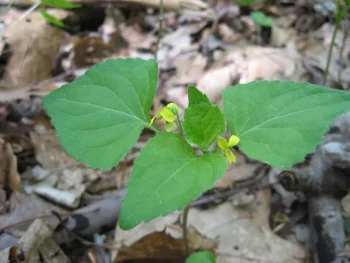
Threepart Violet: A Charming Native Groundcover for Shade Gardens
If you’re looking for a delightful native groundcover that brings subtle beauty to shaded corners of your garden, the threepart violet (Viola tripartita) might just be your new best friend. This charming little perennial is one of those understated gems that quietly does its job while adding a touch of woodland magic to your landscape.
What Makes the Threepart Violet Special?
The threepart violet gets its common name from its distinctive leaves, which are divided into three parts – a characteristic that makes it easy to identify among other violet species. As a native forb (that’s garden-speak for a soft-stemmed flowering plant), this perennial has been quietly beautifying American woodlands for centuries.
This little violet is a true American native, naturally occurring across a wide swath of the eastern United States. You’ll find it growing wild in Alabama, Florida, Georgia, Kentucky, Maryland, Mississippi, North Carolina, Ohio, Pennsylvania, South Carolina, Tennessee, and West Virginia.
- Species observed
- No observations
Why Consider Growing Threepart Violet?
Here are some compelling reasons to give this native violet a spot in your garden:
- Native credentials: Supporting local ecosystems has never been easier
- Low maintenance: Once established, it pretty much takes care of itself
- Pollinator friendly: Small bees and butterflies appreciate the nectar
- Shade tolerant: Perfect for those tricky shaded areas where other plants struggle
- Woodland charm: Brings authentic native woodland character to your landscape
A Note About Conservation
Before you start planning where to plant your threepart violets, there’s something important to know. This species has a somewhat uncertain conservation status, which means it may be less common than it once was in some areas. If you decide to grow this lovely native, please make sure you source your plants or seeds from reputable native plant nurseries that practice responsible collection methods. Never dig plants from the wild!
Perfect Garden Situations
The threepart violet absolutely shines in:
- Woodland gardens: Its natural habitat preference makes it perfect for recreating forest floor conditions
- Shade gardens: Thrives in partial to full shade where many other flowers fail
- Native plant gardens: A wonderful addition to any collection of indigenous species
- Naturalized areas: Great for low-maintenance naturalized landscapes
Growing Conditions and Care
The good news is that threepart violet isn’t particularly fussy – it knows how to make itself at home in the right conditions:
- Light: Partial to full shade (mimicking its natural woodland habitat)
- Soil: Moist, well-draining soil enriched with organic matter
- Hardiness: Suitable for USDA zones 6-9
- Water: Consistent moisture but not waterlogged conditions
Planting and Care Tips
Getting your threepart violets established is refreshingly straightforward:
- Plant in spring or fall when temperatures are moderate
- Amend heavy clay soils with compost to improve drainage
- Mulch around plants with leaf mold or shredded leaves to retain moisture
- Water regularly during the first growing season to establish roots
- Once established, minimal care is needed – just occasional weeding
The Bottom Line
The threepart violet may not be the showiest plant in your garden, but it offers something perhaps more valuable: authentic native character that supports local wildlife while asking very little in return. If you have a shaded area that needs a reliable, low-maintenance groundcover with native credentials, this charming violet deserves serious consideration. Just remember to source it responsibly, and you’ll have a wonderful addition to your native plant collection that will quietly thrive for years to come.